
How to Safely Remove Snow and Ice from Your Roof
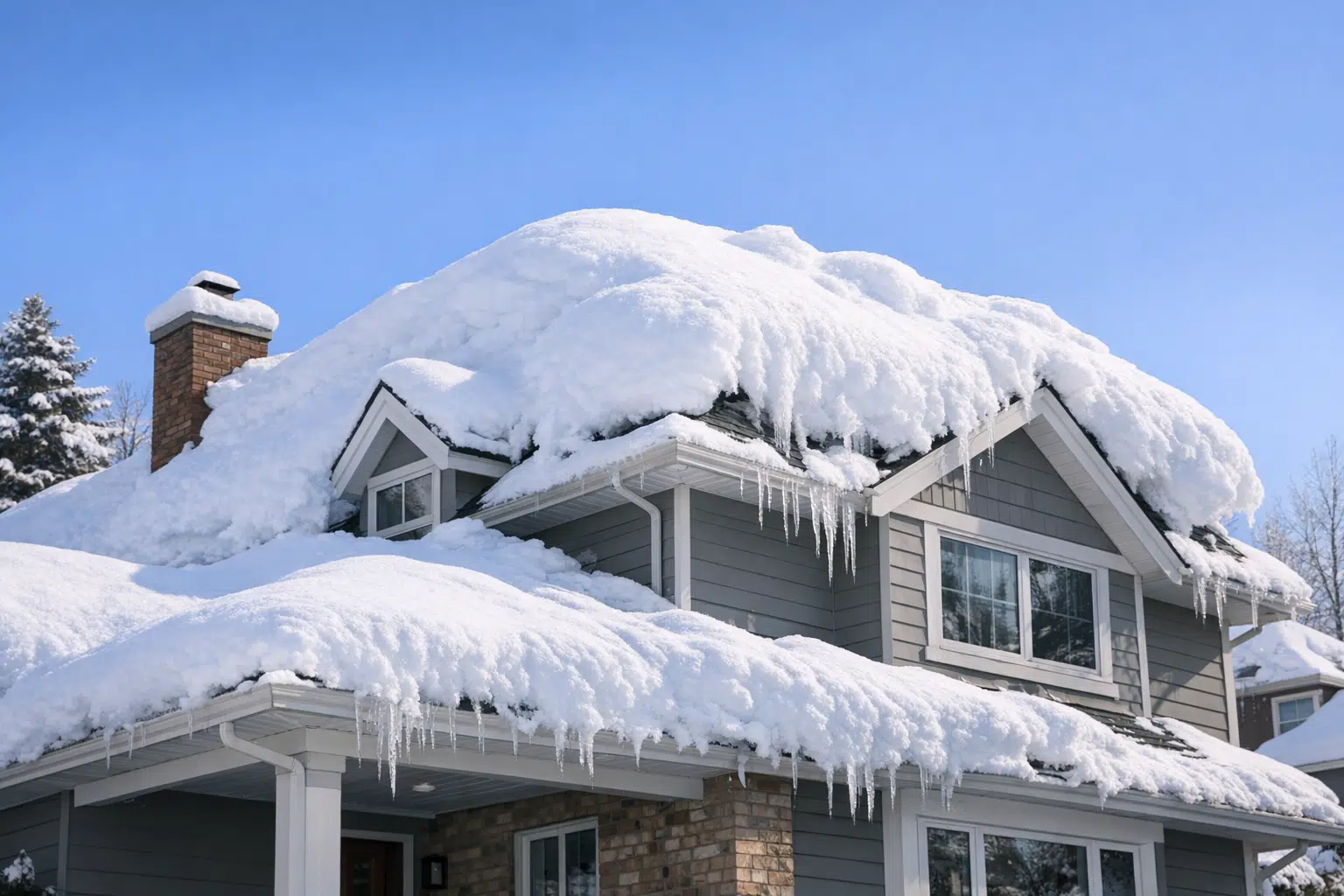
Heavy snow on roofs can cause significant damage, making timely removal essential to prevent costly repairs. Homeowners should be aware of the signs indicating the need for snow removal and the safest methods to do so.
- Snow loads over 20 pounds per square foot require immediate action to avoid structural issues. Watch for sagging roofs, cracking sounds, and sticking doors as warning signs.
- Using a roof rake from the ground is the safest way to remove snow, working in small sections to avoid destabilizing the roof.
- Professional help is necessary for multi-story homes, extensive ice dams, or signs of structural damage, as they have the right tools and expertise.
To safely remove snow and ice from your roof, use a roof rake to pull snow down from the edges, avoiding direct contact with the roof surface. For ice, consider using a de-icing product or gently chipping away at it with a plastic tool to prevent damage. Always prioritize safety by using a harness or working from the ground when possible.
Heavy snow accumulation on your roof can lead to structural damage, ice dams, and costly repairs. Learning how to safely remove snow from roof surfaces before spring thaw begins protects your home from water damage and collapse risks.
Early spring presents the ideal window for snow removal because temperatures fluctuate between freezing and thawing. This creates dangerous ice formations that become harder to manage once fully established.
When You Should Remove Snow from Your Roof
Snow loads exceeding 20 pounds per square foot require immediate attention from homeowners. Most residential roofs handle this weight, but accumulation beyond this threshold creates structural concerns.
Watch for these warning signs that indicate immediate snow removal:
- Sagging roof lines or ceiling
- Cracking sounds from the roof structure
- Doors and windows that stick or won’t close properly
- Interior wall cracks appearing suddenly
- More than 2 feet of snow accumulation
Ice dam formation along roof edges also signals the need for intervention. These ice barriers prevent proper drainage and force water under shingles.
Safe DIY Snow Removal Methods
Ground-Level Removal Techniques
Roof rakes provide the safest method for homeowners to remove snow from single-story roofs. These telescoping tools reach 20+ feet while keeping you safely on the ground.
Start removing snow from the roof edge and work upward in small sections. Pull straight down rather than dragging the rake sideways across shingles to avoid damage.
Remove snow in 2-3 foot strips, clearing only what falls naturally. Never attempt to clear the entire roof surface in one session, as this can destabilize remaining snow loads.
Chemical De-icing Solutions
Calcium chloride ice melt creates channels through ice dams when applied strategically. Fill old pantyhose with ice melt and place perpendicular to gutters.
Avoid rock salt or sodium chloride, which damages roofing materials and vegetation below. These products also prove less effective in extremely cold temperatures.
Tools and Equipment for Safe Snow Removal
Proper equipment prevents injury and roof damage during snow removal projects. Invest in quality tools designed specifically for roof work rather than improvising with household items.

Essential Snow Removal Tools
- Telescoping roof rake with wheels to protect shingles
- Lightweight aluminum shovel for small areas
- Calcium chloride ice melt for ice dam prevention
- Safety harness and rope if roof access becomes necessary
- Non-slip boots with aggressive tread patterns
Avoid metal tools that can puncture or scrape roofing materials. Plastic or composite tools work effectively without causing damage.
When to Call Professional Snow Removal Services
Professional intervention becomes necessary when snow loads exceed safe DIY removal capabilities or ice dams form extensively across roof surfaces.

Contact professionals immediately for these situations:
- Multi-story homes requiring roof access
- Ice dams extending more than 3 feet up the roof
- Structural damage signs appearing
- Previous roof repairs or known weak areas
- Steep roof pitches exceeding 6/12 slope
Professional crews use specialized equipment and safety protocols that prevent injury and property damage. They also identify potential roofing issues that homeowners might miss.
Ice Dam Prevention During Spring Thaw
Ice dam prevention requires addressing the root cause: uneven roof temperatures that create freeze-thaw cycles. Early spring weather patterns make this period particularly problematic.
Warm attic air melts snow on upper roof sections while cold eaves refreeze the runoff. This creates ice barriers that back water under shingles.
Preventive Measures
Improve attic ventilation by ensuring intake vents remain clear of snow and debris. Balanced airflow prevents heat buildup that contributes to ice dam formation.
Seal air leaks between living spaces and attics around light fixtures, exhaust fans, and access hatches. These gaps allow warm air to heat roof surfaces unevenly.

 Posted on Google
Safety Precautions for Roof Snow Removal
Safety planning prevents the majority of snow removal injuries that occur each winter. Most accidents happen when homeowners rush or skip basic precautions.
Never work alone when removing snow from roofs. Have someone present to assist with tools and call for help if accidents occur.
Weather Considerations
Choose clear, calm days for snow removal projects. Avoid working during storms, high winds, or when temperatures create icy conditions.
Early morning hours often provide the best conditions before afternoon warming creates slippery surfaces. Plan work sessions around weather forecasts.
Physical Limitations
Recognize personal physical limitations before beginning snow removal projects. Snow weighs 15-20 pounds per cubic foot when wet, making removal physically demanding.
Take frequent breaks and stay hydrated. Cold weather masks fatigue that can lead to poor decision-making and accidents.
Common Snow Removal Mistakes to Avoid
Removing too much snow at once ranks among the most dangerous mistakes homeowners make. Rapid load changes can destabilize remaining snow and create avalanche conditions.
Never use hot water or steam to melt ice dams. Rapid temperature changes crack shingles and create larger ice formations when water refreezes.
Avoid walking on snow-covered roofs even with proper equipment. Hidden obstacles, weak spots, and depth variations create fall hazards that safety gear cannot always prevent.
Signs Your Roof Needs Professional Inspection
Schedule professional roof inspection after heavy snow seasons to identify damage before minor issues become major repairs. Spring thaw reveals problems that snow and ice conceal during winter months.
Look for loose or missing shingles, damaged flashing around chimneys and vents, and gutter separation from roof edges. These issues compromise your roof’s ability to handle future snow loads.
Water stains on interior ceilings or walls indicate ice dam damage that requires immediate professional attention. Delayed repairs allow water damage to spread throughout structural components.
Safe snow removal protects your home from expensive damage while maintaining structural integrity through winter months. Professional services provide expertise and equipment when DIY methods reach their limits.
If you’re dealing with ice dams, structural concerns, or extensive snow buildup beyond safe DIY removal, contact ARC Restoration at 720-664-7765 for professional assessment and removal services.
Sources
- OSHA – Winter Weather Roof Work Safety
- University of Minnesota Extension – Ice Dam Prevention and Removal
- National Roofing Contractors Association – Ice Dam Information


