
Water Damage Restoration
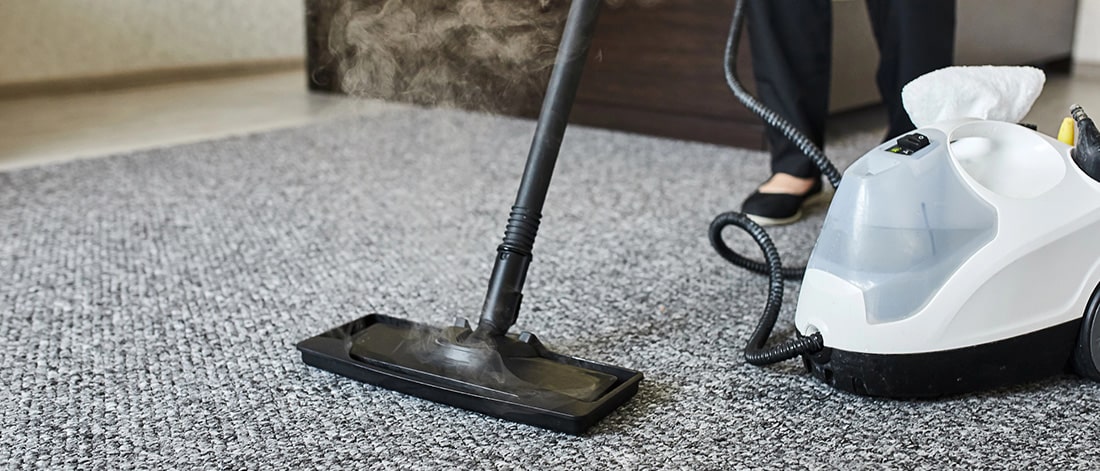
You Must Have Professional Carpet Cleaning After Water Damage
When water damages a carpet, it causes more problems than just what you can see. Getting help from professionals on the first day or two is important to stop germs from spreading and to keep the building safe. Fixing the carpet needs special tools and skills that you can’t get from doing it yourself. Knowing how bad the water damage is can help homeowners decide what to do next. Understanding the Severity of Water-Damaged Carpets When examining carpets damaged by water, consider a few key factors. First, determine the type of water that caused the damage. It could be clean [...]
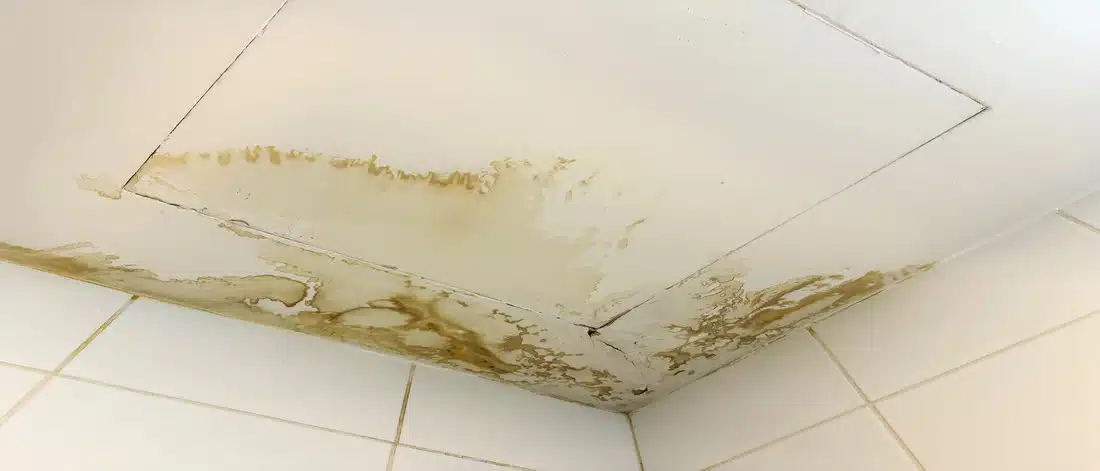
How to Tell if Water Damage is Old or New
Water damage leaves behind clues that reveal whether it’s recent or has been there for a while. Recognizing the difference is essential for accurate repairs and preventing further issues like mold or structural decay. Fresh damage often appears as wet, dark stains with soft, swollen materials. Older damage shows up as dry stains with sharp edges, peeling paint, musty odors, or signs of mold. This guide breaks down the visual, textural, and structural indicators that help identify the age of water damage, so property owners and inspectors can take the right steps to fix the problem and prevent it from [...]

Why Dryout is the Most Important Step in Water Damage Restoration
Drying out is the most important step when fixing water damage. It stops serious harm to buildings and keeps people safe from health issues. Getting rid of water fast stops mold from growing, which can start in 1 to 2 days. If not dried right, things can bend, rot, and break down. Special tools like dehumidifiers and air movers help get all the water out. Knowing how drying works shows why this step is key to fixing water damage right. Understanding the Science Behind Moisture Damage According to the Federal Emergency Management Agency (FEMA), mold can begin growing just 24 [...]

Why Do You Need a Sump Pump
A sump pump is an essential device designed to prevent water damage in homes by efficiently removing excess water before it can inundate basements or crawl spaces. This proactive solution safeguards your home’s foundation, inhibits mold growth, and maintains healthy indoor air quality. It is particularly beneficial for properties situated in areas with high water tables, frequent rainfall, or uneven terrain. Understanding the operation and installation of sump pumps empowers homeowners to make informed decisions about maintaining a dry, damage-free basement. Understanding How Sump Pumps Work There are different sump pumps for homes and businesses. The two main kinds are [...]

How to Handle Water Damage Odors
To handle water damage odors, you need to find and fix the problem quickly. Use tools like moisture meters or thermal cameras to find where the water is coming from. Dry everything out well and use a dehumidifier. For small problems, you can try using vinegar or baking soda to get rid of the smell. If the damage is big, call in experts to help. Check your home often and keep the air not too dry or too wet, around 30-50% humidity. By doing these things, you can stop a bad, musty odor from coming back. Common Sources of Water [...]

Why You Should Install an Automatic Shutoff Valve
Automatic shutoff valves stop water leaks fast and protect your home from big water damage. If water keeps flowing from a leak, it can cause damage costing a lot of money, sometimes more than $100,000. These valves cost about $1,000 to install. They can help lower your water bill and insurance costs. They also work well with smart home devices. They help save water, which is good for the environment, and can save you money in the long run. Understanding How Automatic Shutoff Valves Work Automatic shutoff valves are smart safety devices designed to prevent major damage by stopping the [...]

How to Waterproof Your Home
Waterproofing is a crucial step in protecting buildings from the damaging effects of moisture. Whether it’s preventing leaks in a basement, stopping water intrusion through walls, or shielding a roof from heavy rainfall, waterproofing helps maintain a structure’s integrity and longevity. There are several effective methods available, from applying liquid sealants and waterproof membranes to integrating water-resistant materials directly into concrete. Each approach is designed to create a barrier against moisture and protect key areas of a building from costly water damage. Types of Waterproofing When you want to keep water out of your house, there are three main ways [...]

What to Do with Water in Your Ducts
Water in air ducts is a problem that needs fixing right away to stop mold and damage. If you find water there, turn off your heating or air system unit to stop moisture from spreading. It’s best to call a professional HVAC technician. They have special tools to remove the water and find out why it’s there. Reasons for water can include things like condensation, bad insulation, or blocked drain lines. While you might find short-term solutions, it’s important to have experts fix the problem for good to keep your system working well. Common Signs of Water in Ductwork Water [...]

How to Fix a Sagging Ceiling Due to Water Damage
To fix a sagging ceiling caused by water damage, first locate where the water is coming from, such as a roof leak or broken pipe. Use tools to check for wetness and see if there is any structural damage such as wood rot or bending. You will need tools like a knife, a saw for cutting drywall, and a meter to check for water. Always be safe by wearing safety goggles and gloves, and make sure the ceiling is stable. Turn off the water, dry the area, and replace any damaged parts like drywall or insulation. If needed, add new [...]

How to Fix Chimney Leaks
A leaky chimney is more than just an inconvenience—it can lead to costly repairs if ignored. Many homeowners mistakenly believe that chimneys, especially masonry chimneys, are impervious to water, but in reality, they are highly susceptible to damage from moisture. Materials like brick, mortar, concrete, and metal deteriorate over time, especially when exposed to repeated freeze/thaw cycles. According to the Chimney Safety Institute of America, water intrusion can cause both interior and exterior damage, making it crucial to address leaks promptly. Signs of a leak include dark spots, white stains, and peeling paint, both inside and outside the home. Fixing [...]
Services
Recent Post
Hailstorms and Hidden Water Intrusion: How Roof Impacts Lead to Interior Damage
Hailstorms that produce stones larger [...]
Insurance Documentation Essentials: Photos
When your home, vehicle, or [...]
Water Intrusion Through Window Wells: Fixes That Actually Work
Water intrusion through window wells [...]


