
Blog
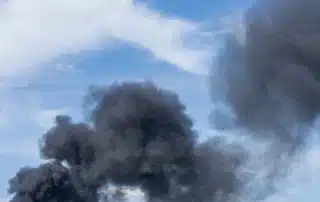
Wildfire Smoke vs. Structure Smoke: Different Particles
Smoke exposure isn’t one-size-fits-all. While wildfire smoke and structure fire smoke are often treated as the same hazard, they contain very different particles that pose very different health risks. Wildfires burn natural vegetation, producing fine particulate matter, while structure fires consume plastics, treated wood, and synthetic materials that release ultrafine, chemically toxic particles capable of [...]
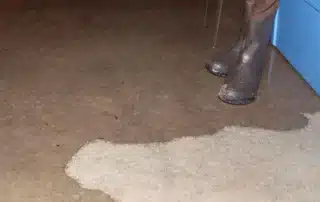
What to Do in the First 24 Hours After a Basement Flood
A basement flood can turn your home into an emergency within minutes. From the moment water enters, the clock starts ticking—and the next 24 hours are critical. Without fast, informed action, moisture can lead to mold growth, structural damage, and serious health hazards that often cost $20,000 to $50,000 or more to repair. While it’s [...]

Subfloor Moisture and Buckling Floors: Assessment to Restoration
When you notice your beautiful hardwood floors beginning to warp or buckle, it’s a clear sign of a deeper problem. While the visible damage is on the surface, the true culprit often lies beneath: subfloor moisture. This hidden issue is responsible for a significant number of flooring failures, costing contractors and homeowners an astonishing $2.4 [...]

Dishwasher Leak Under the Cabinet: Dry-Out Without Trashing the Kitchen
A dishwasher leak under your cabinet can damage the wood structure, create mold growth, and cost thousands in repairs. The U.S. Environmental Protection Agency (EPA) states that wet materials must dry within 24-48 hours to stop mold spores from spreading. Water damage experts measure moisture levels in wood with meters that show percentages. Cabinet wood, subflooring, and [...]

What Is Category 3 Water? A Plain-English Walkthrough of IICRC Classifications
When water damage strikes, not all water is created equal. The Institute of Inspection, Cleaning and Restoration Certification (IICRC) classifies water into three categories based on contamination levels and health risks, guiding restoration professionals in safety and cleanup methods. Category 3 water, the most hazardous type, contains harmful bacteria, viruses, fungi, and chemical contaminants, requiring [...]

InsurTech & Claims: How Digital Documentation Speeds Approvals
InsurTech is revolutionizing how insurance claims are processed, turning days of paperwork into minutes of digital efficiency. Traditional paper systems were slow and error-prone, forms got lost, handwriting was illegible, and manual data entry created delays. Today, digital documentation allows customers to submit photos via mobile apps, medical providers to share records securely, and repair [...]
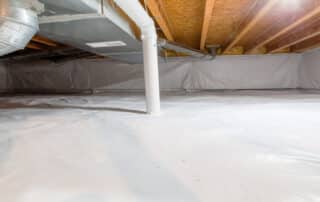
Crawl Space Drying Basics: Humidity
Maintaining proper humidity in your crawl space is essential to protecting your home’s structure, air quality, and overall health. According to the Environmental Protection Agency (EPA), the ideal relative humidity range is 30–50%, while levels above 60% create conditions where mold spores rapidly multiply. Research from the American Society of Heating, Refrigerating, and Air-Conditioning Engineers [...]
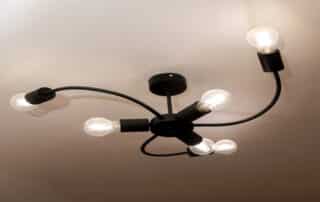
Water in the Light Fixture
Finding water in a light fixture is more than a home maintenance issue; it’s a serious electrical and safety hazard. When moisture reaches live wiring, it can cause electrical shocks, short circuits, or even house fires. Acting quickly and safely is essential to protect your home and family. In this guide, ARC Restoration explains what [...]
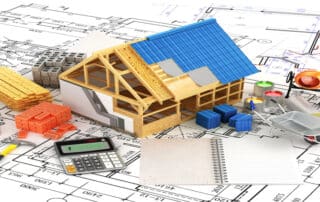
The Rising Cost of Restoration Materials: What’s Driving 2025 Pricing
Inflation is hitting the construction industry hard, and restoration contractors are feeling the squeeze. Construction input prices rose 1.9% in June 2022 alone, according to the U.S. Bureau of Labor Statistics’ Producer Price Index. This year, restoration material costs, including lumber, drywall, insulation, and roofing supplies, have surged over 40% compared to last year. Supply [...]
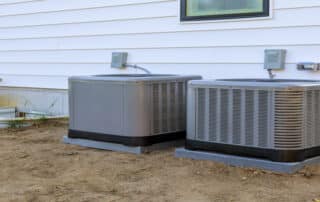
Evaporative (Swamp) Cooler Leaks: Early Signs and Water Damage Prevention
Evaporative coolers, often called swamp coolers, rely on a continuous flow of water to operate efficiently, but that same water can cause major damage if leaks go unnoticed. Small issues in the water supply line, float valve, distribution tubes, or bottom pan can quickly lead to ceiling stains, mold growth, and structural deterioration. Many homeowners [...]
When your home, vehicle, or [...]
Water intrusion through window wells [...]
After a basement flood, the [...]


