
Preparing Your HVAC System for Spring to Prevent Mold Growth

Spring brings higher humidity, creating conditions for mold growth in HVAC systems. Proper maintenance before the season can prevent mold and protect health.
- Replacing air filters regularly is crucial to prevent moisture buildup and mold growth. HEPA filters are recommended for better air quality.
- Cleaning air ducts and vents removes dust and debris that can foster mold. Visible mold or musty odors indicate the need for cleaning.
- Professional inspections catch hidden issues that may lead to mold. Technicians can identify moisture problems and improve system efficiency.
To prepare your HVAC system for spring and prevent mold growth, perform regular maintenance such as cleaning or replacing filters, checking for moisture buildup, and ensuring proper drainage. This proactive approach helps maintain air quality and protects your home from potential mold-related issues.
Spring’s arrival brings warmer temperatures and higher humidity levels that create perfect conditions for mold growth in your HVAC system. Proper HVAC maintenance performed before the season begins can prevent costly mold remediation and protect your family’s health.
Colorado’s unique climate presents specific challenges as winter transitions to spring. Temperature fluctuations and melting snow increase moisture levels in homes, making your heating and cooling system vulnerable to mold development.
Why Spring HVAC Maintenance Prevents Mold Growth
Mold spores thrive in warm, moist environments with poor air circulation. Your HVAC system can become a breeding ground when winter condensation combines with spring’s rising temperatures.
During winter months, heating systems create temperature differences that lead to condensation in ductwork. This moisture accumulates in areas with limited airflow, providing the perfect environment for mold colonies to establish.
Spring cleaning your HVAC system removes this accumulated moisture and debris before mold can take hold. Preventive maintenance costs significantly less than mold remediation, which can range from thousands to tens of thousands of dollars.
Essential Spring HVAC Maintenance Tasks
Replace Air Filters Immediately
Air filters trap dust, pollen, and mold spores throughout winter. Clogged filters reduce airflow and create moisture buildup that encourages mold growth.
Replace standard filters every 1-3 months, depending on usage and household factors. Homes with pets, smokers, or family members with allergies need more frequent changes.
Consider upgrading to HEPA filters rated MERV 11-13 for better mold spore capture. Higher-rated filters require professional assessment to ensure your system can handle the increased airflow resistance.
Clean Air Ducts and Vents
Ductwork accumulates dust, debris, and moisture over winter months. Professional duct cleaning removes these mold-friendly materials before spring humidity levels rise.
Signs your ducts need cleaning include:
- Visible mold growth around vents
- Musty odors when the system runs
- Excessive dust settling after cleaning
- Family members experiencing increased allergy symptoms
Clean supply and return vents with soap and water, then dry completely before reinstalling. Wet vents create immediate mold growth opportunities.
Inspect and Clean the Condensate Drain
Condensate drains remove moisture from your HVAC system. Clogged drains cause water backup that leads directly to mold growth in ductwork and around equipment.
Pour a cup of white vinegar down the condensate drain monthly to prevent algae and mold buildup. The vinegar’s acidity kills existing growth and prevents future development.
Check the drain pan for standing water or visible mold. Clean with bleach solution (1 part bleach to 10 parts water) and ensure proper drainage before spring humidity increases.
Professional HVAC System Inspection
Professional technicians identify problems homeowners often miss during routine maintenance. Spring inspections catch issues before they become expensive mold problems.
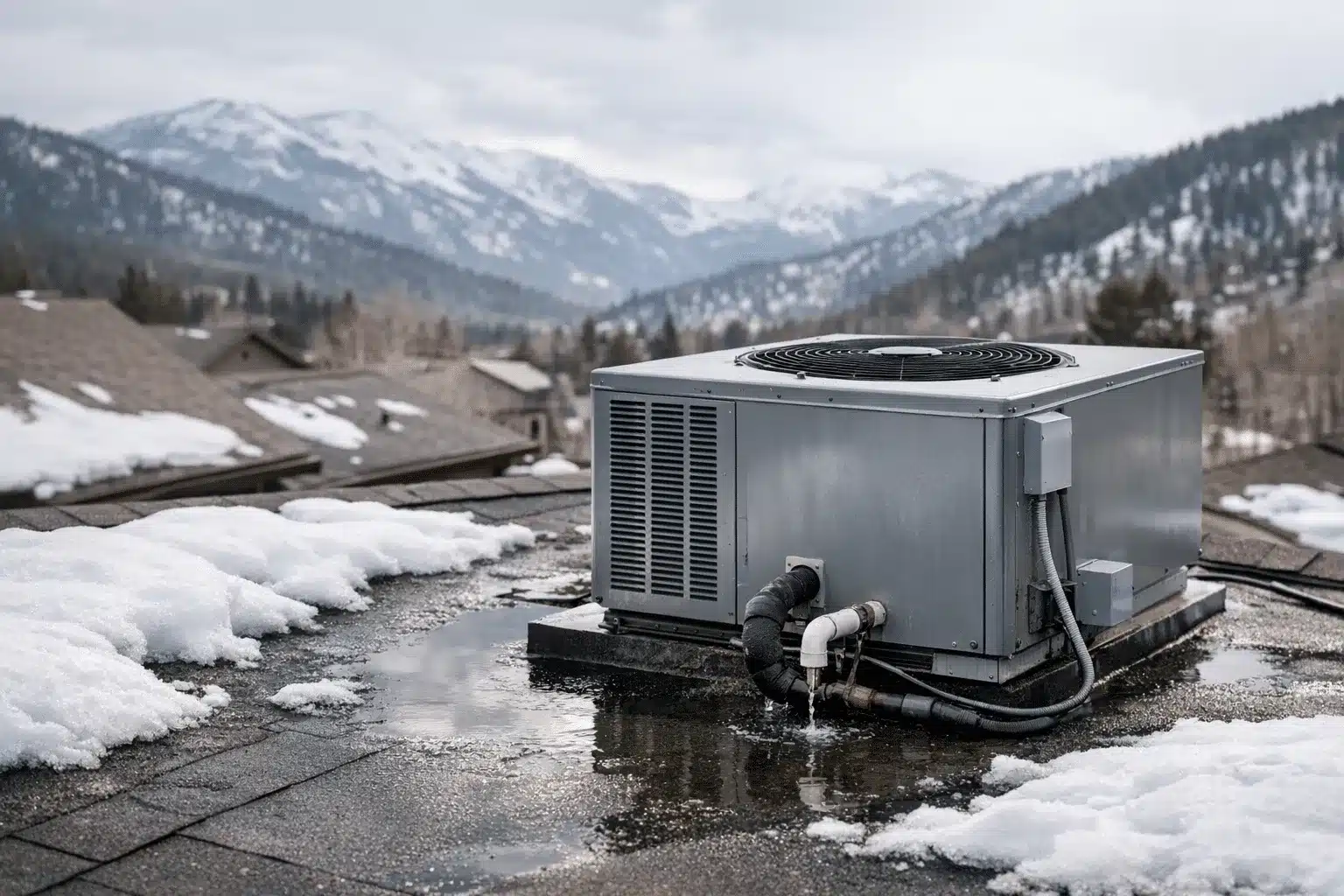
Technicians check refrigerant levels, electrical connections, and mechanical components that affect moisture control. Low refrigerant levels reduce dehumidification, creating conditions where mold thrives.
Ductwork Inspection
Professional ductwork inspection reveals hidden moisture problems and insulation issues. Damaged insulation allows condensation that feeds mold growth in wall cavities and ceiling spaces.
Technicians use moisture meters and thermal imaging to detect problem areas invisible to homeowners. Early detection prevents extensive mold remediation projects.
Leaky ducts allow humid outdoor air to enter the system, overwhelming your HVAC’s dehumidification capacity. Sealing these leaks improves efficiency and reduces mold risk.
Coil Cleaning and Maintenance
Evaporator coils collect moisture during normal operation. Dirty coils hold excess moisture and provide nutrients for mold growth.
Professional coil cleaning removes built-up debris and applies antimicrobial treatments. Clean coils operate more efficiently and create less condensation.
Outdoor condenser units also need attention after winter weather. Remove debris, trim vegetation, and ensure proper drainage around the unit.
Humidity Control Strategies for Spring
Spring humidity levels in Colorado can fluctuate dramatically. Your HVAC system needs proper setup to handle these changes and prevent mold growth.
Install a whole-house dehumidifier if your area experiences high spring humidity. These systems work with your HVAC to maintain optimal moisture levels year-round.
Thermostat Programming for Mold Prevention
Program your thermostat to maintain consistent temperatures during spring weather transitions. Temperature swings create condensation that promotes mold growth.
Set your system to run fan cycles even when heating or cooling isn’t needed. Continuous air movement prevents stagnant conditions where mold develops.
Consider upgrading to a smart thermostat with humidity control features. These systems automatically adjust operation based on indoor humidity levels.
Ventilation Improvements
Proper ventilation removes moisture-laden air before it creates mold problems. Spring maintenance should include ventilation system checks.
Bathroom and kitchen exhaust fans need cleaning and inspection. These fans remove humidity at the source, reducing load on your HVAC system.
Clean exhaust fan blades and housings, then test operation. Replace fans that don’t move adequate air volumes.
Signs Your HVAC System Has Mold Problems
Recognizing early mold signs allows for prompt treatment before problems spread. Delaying action increases remediation costs and health risks.
Common warning signs include:
- Musty odors when the system starts or runs
- Black or green spots around vents and registers
- Increased allergy symptoms when indoors
- Visible moisture or water stains near HVAC equipment
- Reduced airflow from supply vents
Professional mold inspection can confirm suspected problems and identify hidden growth areas. Early intervention prevents extensive damage and reduces health risks.

They are knowledgeable, organized, and genuinely care about doing things the right way. If you’re looking for a restoration company that values communication and accountability, this is a team worth calling.
 Posted on Google
Creating a Spring HVAC Maintenance Schedule
Consistent maintenance prevents mold problems more effectively than reactive repairs. Create a spring checklist to ensure nothing gets overlooked.
March tasks include filter replacement, visual inspection of vents and equipment, and scheduling professional service. Early attention prevents problems as humidity levels rise.
April maintenance focuses on ductwork inspection, condensate drain cleaning, and humidity control system testing. This timing prepares your system for increased spring moisture.
May preparation includes final equipment checks, emergency contact information updates, and supply inventory for the coming season.
Emergency Response for HVAC Mold Issues
Despite preventive maintenance, mold problems can still occur. Quick response limits damage and reduces health exposure risks.
Turn off your HVAC system immediately if you discover mold growth. Running the system spreads mold spores throughout your home.
Contact mold remediation professionals for assessment and treatment. DIY mold removal often makes problems worse and creates health hazards.
Professional Support for Spring HVAC Maintenance
Spring HVAC maintenance requires both homeowner diligence and professional expertise. Combining both approaches provides the best protection against mold growth.
Professional technicians have specialized tools and training to identify problems homeowners miss. Their expertise prevents small issues from becoming major mold problems.
If you discover mold in your HVAC system or suspect moisture problems, contact ARC Restoration at 720-799-2434. Our certified professionals provide comprehensive mold remediation and prevention services to protect your home and family’s health.
Sources
- EPA – Mold Course Chapter 2: Why Mold Grows
- Department of Energy – Maintaining Your Air Conditioner
- CDC – Facts About Mold and Dampness


