
Deodorizing vs. Restoring: Why Cleaning Smoke Isn’t Enough
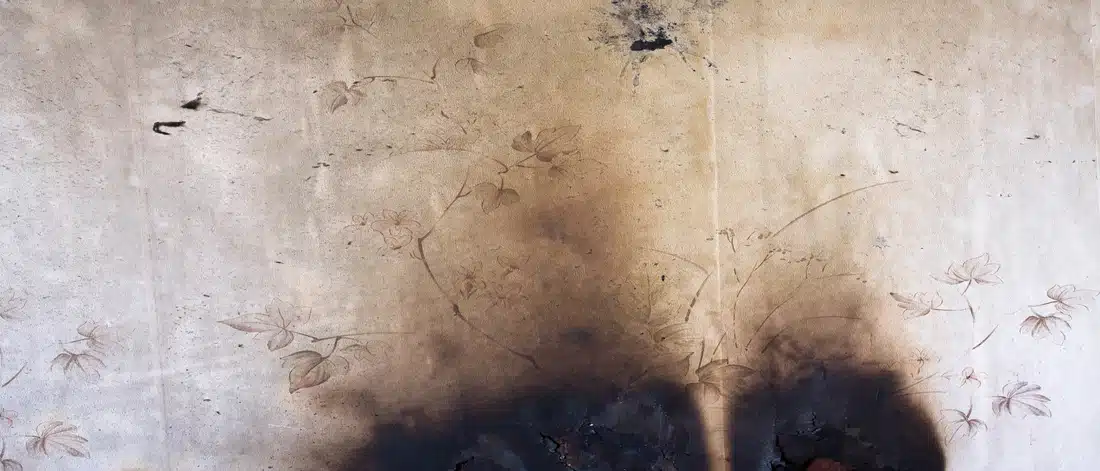
Property owners often assume that eliminating smoke odor means a property is safe, but deodorizing and true restoration are not the same. Surface cleaning and odor treatments only mask the smell, leaving behind toxic residues embedded deep within porous materials like drywall, insulation, and wood. These contaminants, including VOCs, formaldehyde, and other carcinogens, continue to off-gas into the air long after the fire is out, posing ongoing health risks. Proper restoration goes beyond odor removal, targeting contamination at its source through advanced testing, specialized equipment, and removal of compromised materials. Understanding the difference isn’t just about cleanliness—it’s about safety, liability, and ensuring a building is truly fit for occupancy.
The Science of Smoke Damage: Beyond What You Can See and Smell
When smoke enters a building after a fire, it starts a chemical reaction that goes deeper than black stains and bad smells. Burning materials release thousands of toxic gases and particles that soak into walls, furniture, and fabrics. These chemicals form acidic coatings that eat away at metal pipes, damage plastic fixtures, and stain painted surfaces.
The tiny smoke particles work their way into drywall, insulation, and heating and cooling ducts, where they keep releasing dangerous fumes for weeks or months after firefighters put out the flames.
During a fire, hot and cold air patterns push smoke deep into wall spaces and hidden areas that are hard to reach. When synthetic materials like plastics and foam burn, they create protein-based residues that stick to surfaces at a chemical level. These residues don’t wash away with normal cleaning methods.
Wiping down walls and scrubbing floors only removes what you can see on the surface. The real damage continues inside building materials, where smoke particles remain trapped.
These hidden contaminants keep breaking down construction materials and releasing harmful chemicals into the air that building occupants breathe. Professional fire restoration teams use specialized equipment and chemical treatments to stop these reactions, pull out embedded particles, and eliminate health risks that basic cleaning misses.
The restoration process targets both visible damage and the invisible chemical processes happening within walls, ceilings, and building systems.
What Deodorizing Actually Does (And Doesn’t Do)
Many property owners think deodorizing is the same as complete smoke damage cleanup. Deodorizing treatments cover up or neutralize odors, but they don’t fix the real contamination buried in porous materials and building systems. Understanding this difference matters for long-term property health and occupant safety.
What deodorizing accomplishes:
- Temporary odor removal – Chemical treatments and thermal fogging eliminate smells you can detect, but the residue sources stay behind.
- Surface-level fixes – Ozone generators and hydroxyl machines break down airborne particles, but structural deposits remain untouched.
- False sense of completion – The property seems fixed because it smells clean, hiding the fact that the affected materials keep releasing harmful gases.
Smoke particles stay in HVAC ductwork, insulation, drywall, wood framing, and concrete substrates when proper restoration doesn’t happen. These contaminants keep releasing volatile organic compounds (VOCs) into indoor air. This process compromises air quality and can affect respiratory health, even when you can’t smell anything wrong.
Deodorizing addresses symptoms. Restoration addresses causes. Smoke residue contains acidic compounds, tar particles, and chemical byproducts that bond with building materials.
These substances cause progressive damage through corrosion, staining, and material breakdown. Covering the smell doesn’t stop this deterioration process or remove health hazards from particulate matter embedded in surfaces throughout the structure.
How Porous Surfaces Trap Smoke Contamination
Smoke particles range from 0.01 to 1 micron in diameter. This microscopic size allows them to push deep into building materials that contain tiny air pockets and uneven surfaces. Porous materials pull these particles inward through capillary action, the same force that draws water up a paper towel. The contamination embeds itself beneath the visible surface, where regular cleaning methods cannot reach it.
| Material Type | Porosity Level | Penetration Depth | Deodorizing Effectiveness | Restoration Required |
| Drywall | High | 1/8″ – 1/4″ | Minimal (10-20%) | Seal or replace |
| Unsealed wood | High | 1/4″ – 1/2″ | Low (15-25%) | Sand and seal |
| Concrete | Medium | 1/16″ – 1/8″ | Moderate (30-40%) | Deep clean, seal |
| Textiles | High | Full saturation | Poor (5-15%) | Professional cleaning |
| Painted surfaces | Low | Surface only | Good (60-80%) | Clean and repaint |
Materials with high porosity, like drywall, unsealed wood, and fabric, absorb smoke particles throughout their entire structure. Medium porosity materials such as concrete and brick allow partial penetration. Low-porosity surfaces, including painted walls and sealed wood, trap contamination at the surface only.
The trapped contamination stays active inside these materials. It releases odorous compounds and harmful particulates into the air over time through a process called off-gassing. This release can continue for months or years without proper remediation. Professional restoration addresses both surface contamination and the particles embedded within the material structure.
How Smoke Particles Penetrate Deep Into Building Materials
Fire heat creates pressure differences that push tiny smoke particles into the molecular structure of building materials. These particles measure less than 0.3 microns (smaller than the width of human hair). They move far past surface layers where regular cleaning methods work. The contamination becomes locked within the material’s internal structure.
Three critical penetration mechanisms:
- Thermal expansion cycles – Heat opens tiny holes in materials; cooling seals particles inside.
- Pressure differentials – Fire creates high-pressure zones that push particles deep into substrates.
- Capillary action – Porous materials pull contaminated moisture inward through microscopic channels.
Drywall panels, insulation batts, and structural wood beams absorb smoke particles at depths beyond several inches. Surface cleaning and deodorizing products cannot reach this embedded contamination. Restoration professionals must extract or seal these deep-penetrated particles to remove persistent odors and prevent long-term indoor air quality problems.
Smoke residue contains combustion byproducts, including soot, ash, and chemical compounds from burned synthetic materials. These substances bond with cellulose fibers in paper-faced drywall, lodge within fiberglass insulation strands, and settle into wood grain patterns.
The acidic nature of smoke residue can cause material degradation over months and years if left untreated.
Building envelope components (walls, ceilings, floors) act as semi-permeable barriers. Smoke infiltration follows paths of least resistance through electrical outlets, plumbing penetrations, and HVAC ductwork.
Understanding particle migration patterns helps restoration technicians identify affected zones requiring treatment or replacement.
Chemical Residues: The Invisible Threat in Fire-Damaged Properties
Fire leaves behind more than just visible soot and ash. When materials burn, they create dangerous chemical compounds that stay in the building long after firefighters leave. These invisible chemicals pose serious health risks to anyone who enters the property.
What Chemicals Come From Fires?
Three main types of harmful substances remain after fires:
Volatile organic compounds (VOCs) – These carbon-based chemicals evaporate into the air at room temperature. Common sources include burning plastics, paints, and cleaning products.
Polycyclic aromatic hydrocarbons (PAHs) – These cancer-causing chemicals form when organic materials like wood, coal, and oil don’t burn completely. PAHs stick to surfaces and particles throughout the building.
Acidic byproducts – Burning materials release acids that eat away at metal, concrete, and other building materials. These acids damage property and irritate skin and lungs.
These chemical residues soak into porous materials like drywall, insulation, carpets, and furniture. They keep releasing harmful gases into the air for months after the fire. This process, called off-gassing, creates indoor air quality problems that cause:
- Breathing difficulties and asthma attacks
- Persistent headaches and dizziness
- Eye, nose, and throat irritation
- Increased cancer risk with long-term exposure
Why Synthetic Materials Create Bigger Problems
Modern buildings contain many man-made materials that release extremely toxic chemicals when they burn:
Polyurethane foam (found in furniture and mattresses) produces hydrogen cyanide gas and isocyanates.
PVC plastics (used in pipes, flooring, and window frames) release hydrochloric acid and dioxins.
Pressure-treated lumber (used in decks and outdoor structures) contains heavy metals like arsenic and chromium that become airborne when burned.
Fiberglass insulation with formaldehyde binders releases carcinogenic gases.
These synthetic material residues penetrate deeper into building materials than natural substance residues. Regular cleaning methods cannot reach or remove these embedded chemicals.
Why Basic Cleaning Fails
Wiping down walls and scrubbing floors removes surface soot but does not eliminate chemical contamination. Fire residues exist at the molecular level inside building materials. Water and detergent cannot break apart these chemical bonds or extract compounds from inside porous surfaces.
A building might look clean while still containing dangerous chemical levels. This false sense of safety puts occupants at risk. Proper restoration requires specialized equipment and methods designed to neutralize chemicals, not just remove visible dirt.
The Complete Restoration Process: A Step-by-Step Breakdown
Professional fire restoration follows a systematic protocol that addresses both visible damage and hidden contamination. This thorough approach ensures properties return to pre-loss conditions while protecting occupant health and safety.
Core Restoration Phases:
- Assessment and Documentation– Restoration technicians evaluate damage severity using moisture meters, thermal imaging cameras, and air quality monitors. They identify affected building materials like drywall, insulation, and wood framing.
Teams measure soot contamination levels and document structural integrity to establish baseline conditions and determine restoration scope.
- Containment and Extraction– Teams isolate damaged areas using plastic sheeting barriers and negative air pressure systems. Workers remove compromised materials, including charred wood, smoke-damaged insulation, and soot-covered drywall.
HEPA filtration systems extract airborne soot particles and ash residue to prevent cross-contamination of unaffected rooms during cleanup.
- Decontamination and Neutralization– Professionals apply targeted cleaning agents to neutralize acidic residues left by smoke and combustion byproducts. They sanitize surfaces to eliminate bacteria and mold spores.
Teams treat structural components like beams, studs, and subflooring before applying sealants and thermal fogging treatments to eliminate persistent smoke odors at molecular levels.
This methodical process distinguishes professional restoration from basic surface cleaning and protects indoor air quality standards.
Why HVAC Systems Require Specialized Attention After Fire Damage
Cleaning visible soot and ash fixes only part of the problem after a fire. Smoke contamination spreads deep into building systems that move air through your home or business. Your HVAC system becomes a delivery network for harmful particles and smell-causing chemicals, spreading contaminants back into rooms you just cleaned. Ductwork, filters, and mechanical parts trap burning residues that eat away at metal surfaces and make indoor air unsafe to breathe.
| HVAC Component | Contamination Risk |
| Air ducts | Smoke particles coat the entire ventilation network |
| Blower assemblies | Grease and soot build up on motor parts |
| Evaporator coils | Acidic residue eats through metal and reduces heating/cooling power |
| Air filters | Complete blockage with toxic particles requiring immediate replacement |
Certified restoration technicians must take apart reachable ductwork sections, apply specialized antimicrobial cleaners, and replace damaged components. The restoration process includes HVAC system inspection, duct cleaning, coil decontamination, and air quality testing. Skipping thorough HVAC decontamination creates ongoing smell problems, faster equipment breakdown, and potential health risks from smoke particles cycling through your breathing air. Property owners face repeated cleaning costs and respiratory health concerns when contaminated HVAC systems continue operating after fire events.
Identifying Which Materials Can Be Saved vs. Must Be Replaced
Smoke penetration depth determines whether restoration experts can clean a material or need to remove it completely.
Porous materials like drywall, insulation, and unsealed wood absorb smoke particles deep into their internal structure. This deep absorption makes complete odor removal impossible. Non-porous surfaces such as metal, glass, and sealed ceramic tile respond well to specialized cleaning methods.
Material Assessment Criteria:
- Surface porosity– Non-porous materials have tight, sealed surfaces that keep smoke on top where cleaning can reach it.
Porous materials have open structures with tiny holes and channels. When smoke odor molecules sink deep into these channels beyond what cleaning can reach, the material needs replacement.
- Heat exposure intensity– Materials exposed to direct flames or high temperatures often suffer internal structural damage.
This damage weakens the material even when the surface looks acceptable. These compromised materials require removal for safety reasons.
- Health code compliance– Food preparation surfaces, heating and cooling system components, and certain fabric items must meet strict safety standards set by health departments.
Fire-damaged versions of these materials cannot meet required safety thresholds. Building codes and food safety regulations mandate replacement rather than cleaning for these specific items.
The restoration process follows established industry protocols from the Institute of Inspection, Cleaning and Restoration Certification (IICRC).
Professional assessment uses moisture meters, thermal imaging cameras, and air quality testing equipment to measure actual damage levels rather than relying on visual inspection alone.
The Role of Professional Testing in Smoke Damage Assessment
Getting the full picture of smoke damage needs special tools that find contamination the human eye cannot see. Professional smoke damage testing finds all problems before cleanup starts. This prevents incomplete restoration work that leaves dangerous residues stuck in building materials, furniture, and ventilation systems.
| Test Type | Purpose |
| pH Testing | Checks acid levels in smoke residue that eat away at metal, wood, and painted surfaces over months and years |
| Air Quality Analysis | Finds tiny particles floating in the air and harmful chemicals called volatile organic compounds that affect breathing |
| Surface Sampling | Studies the makeup of soot deposits to pick the right cleaning products and methods for each material type |
| Moisture Detection | Finds water damage from fire hoses and sprinkler systems trapped under floors, inside walls, and above ceilings |
| Odor Mapping | Pinpoints exact locations where the smoke smell comes from so technicians can treat those specific areas |
These test results create proof for insurance companies and set starting measurements that show whether restoration work succeeded. Testing establishes the difference between visible damage and hidden contamination in porous materials like drywall, insulation, carpet padding, and upholstery foam.
Property owners who skip professional smoke damage assessment face serious risks. Hidden damage weakens building structures through corrosion and rot. Leftover smoke particles and chemical residues cause health problems, including respiratory issues, headaches, and skin irritation. Insurance claims may get denied when documentation lacks scientific testing data. The cost of retesting and redoing incomplete restoration work exceeds the price of a proper initial assessment.
Red Flags That Indicate Smoke Damage Wasn’t Properly Addressed
After restoration companies finish their work, certain warning signs show that smoke damage remains untreated in the property. Property owners who recognize these indicators can determine whether additional cleanup is necessary to protect people living in the building and preserve the structure itself.
Critical Warning Signs of Incomplete Smoke Damage Treatment:
- Persistent Odors After Ventilation– Smoke smells that won’t go away intensify when humidity rises, or heating systems run.
These odors mean residue has embedded itself deep into porous materials like drywall, insulation, wood framing, carpet padding, and concrete.
The residue also hides in HVAC ductwork and wall cavities where air cannot reach.
These contaminated areas require proper encapsulation with specialized sealants or complete removal and replacement.
- Discoloration Returning After Cleaning– Yellow or brown stains that reappear on walls, ceilings, and other painted surfaces mean smoke particles were not completely removed.
The contamination continues migrating outward from substrates underneath—from wood studs, drywall cores, insulation materials, and structural components.
Surface cleaning alone cannot address this deep penetration of combustion byproducts.
- Respiratory Irritation Among Occupants– People in the building who experience ongoing coughing, throat irritation, watery eyes, or difficulty breathing signal a serious problem.
Airborne particulates and toxic gases continue to be released from inadequately treated surfaces through a process called off-gassing.
This situation requires professional indoor air quality testing to measure contamination levels and identify specific pollutants like carbon particles, volatile organic compounds, and acidic residues.
Health Risks Associated With Incomplete Smoke Remediation
Smoke damage that stays in buildings or gets cleaned incorrectly creates serious health problems for people living or working inside. Tiny particles stuck in walls, carpets, and furniture release harmful chemicals into the air. These chemicals irritate the nose, throat, and lungs. People breathing them can develop asthma attacks, long-lasting bronchitis, and allergic reactions.
Black soot contains cancer-causing substances like benzene and formaldehyde. These toxins build up inside the human body when someone breathes them day after day. The longer the exposure time, the higher the cancer risk becomes.
Young children and older adults face greater danger from smoke residue. Their immune systems either haven’t fully developed yet or have weakened with age. The leftover smoke particles create conditions where dangerous bacteria and mold grow inside porous building materials like drywall, insulation, and wood. These biological contaminants make breathing problems worse.
Brain-related symptoms happen when people breathe indoor air polluted with smoke byproducts. Common signs include persistent headaches, feeling dizzy, and trouble thinking clearly. Memory and concentration suffer in contaminated indoor environments.
Professional fire damage restoration removes all toxic residues from affected structures. This complete cleaning process eliminates health hazards at their source instead of just covering them up temporarily.
Partial cleaning leaves dangerous particles behind that continue releasing chemicals and supporting microbial growth. Only thorough remediation protects building occupants from both immediate health reactions and long-term disease development.
Long-Term Structural Consequences of Inadequate Smoke Cleanup
Smoke residue soaks deep into building materials like wood, concrete, and metal. This contamination starts a slow breakdown process that damages structural strength over months and years. The acidic chemicals in smoke particles keep eating away at materials long after the fire goes out.
These acids attack load-bearing parts (the components that hold up the building) and protective coatings. Cleaning only the surface fails to remove this deep contamination. The building remains at risk for faster decay and potential structural failure.
Critical structural impacts include:
- Metal corrosion – Acidic residue attacks steel beams, metal fasteners (screws, bolts, and nails), and rebar (steel reinforcement bars inside concrete). This chemical attack reduces how much weight these parts can safely hold. Rust forms and expands, which creates pressure that cracks the concrete around it.
- Wood degradation – Smoke acids destroy lignin (the natural glue that holds wood fibers together) in wooden framing members like studs, joists, and rafters. This damage reduces the wood’s strength and makes it easier for termites and carpenter ants to infest the structure.
- Concrete spalling – Chemical reactions happen when smoke compounds mix with concrete. These reactions cause the surface to flake off in chunks. The damage also weakens foundation walls, support columns, and floor slabs from the inside.
Professional fire restoration services remove contamination from deep within building materials. This thorough cleanup prevents expensive structural repairs and potential building collapse.
Insurance Implications: Deodorizing vs. Full Restoration Coverage
Insurance companies treat basic deodorizing and complete fire restoration as two different services. This difference changes how much money they pay out and what coverage limits apply to your claim.
Insurance adjusters check whether smoke damage went deep into walls, ceilings, and building systems or just affected surfaces you can see and touch. Simple deodorizing that removes surface odors gets minimal insurance money. Complete restoration that includes HVAC system cleaning, drywall replacement, and deep structural cleaning qualifies for full policy benefits and higher payout amounts.
Photos, air quality tests, and inspection reports that show smoke got into your building systems help prove you need extensive restoration. These documents show damage in air ducts, insulation layers, wall cavities, and other hidden spaces where smoke particles settle and stay.
Property owners who agree to quick deodorizing treatments often lose thousands of dollars in insurance benefits meant for thorough smoke remediation. The insurance policy includes money for complete cleanup, but accepting surface-level fixes means giving up that coverage.
Professional inspection reports serve as evidence for insurance claims. Certified restoration specialists use moisture meters, thermal imaging cameras, and air quality monitors to find hidden smoke contamination. Their detailed reports list specific damaged areas like HVAC ductwork, attic insulation, wall cavities, subfloor materials, and electrical systems.
Knowing the difference between these two service levels helps property owners get maximum insurance money. Complete restoration also protects property value over time and keeps residents safe from lingering smoke particles and toxic residue that basic deodorizing leaves behind.
Protecting Your Investment: The True Cost of Cutting Corners
Property owners who pick basic deodorizing instead of full restoration pay more money in the long run. Quick surface cleaning leaves harmful materials stuck deep inside walls, floors, and ceilings. These hidden contaminants keep breaking down the building and creating health problems.
Incomplete restoration damages your wallet in these ways:
- Building materials keep getting worse – Harmful acids eat through metal pipes and fixtures, bend wooden frames and floors, and break down concrete and drywall. You end up replacing entire sections instead of just cleaning them.
- Health and legal problems – Tiny particles and chemicals stay in the air people breathe. This causes lung problems, allergies, and sickness. Medical bills add up, and building owners can face lawsuits from tenants, workers, or buyers.
- Your property loses value – Bad smells that won’t go away and contamination tests that show problems make buyers walk away or offer 15-30% less money.
Professional restoration companies fix the actual problem, not just what you can see or smell. They seal off damaged areas to stop contamination from spreading. They use special equipment and cleaning products designed for each type of material.
They run tests to prove the space is safe before calling the job complete. This complete process keeps people safe right now and protects the money you have invested in your building for years to come.
Insurance companies, real estate appraisers, home inspectors, and environmental health agencies all recognize the difference between surface treatment and proper restoration.
Cutting corners means risking your investment, your reputation, and the safety of everyone who enters your property.
Property owners often mistakenly believe that deodorizing smoke odor ensures safety, but true restoration is necessary to address hidden toxic residues. Effective restoration targets contamination at its source, ensuring a property is safe for occupancy.
- Deodorizing only masks smoke odors and does not remove harmful residues embedded in materials. Proper restoration involves advanced testing and specialized equipment to eliminate health risks. Understanding the difference between deodorizing and restoration is crucial for long-term safety and air quality.
- Property owners often assume that eliminating smoke odor means a property is safe, but deodorizing and true restoration are not the same.
- Surface cleaning and odor treatments only mask the smell, leaving behind toxic residues embedded deep within porous materials like drywall, insulation, and wood.
Deodorizing only masks smoke odors, while restoring involves removing toxic residues embedded in materials like drywall and wood. Proper restoration targets contamination at its source using advanced testing and specialized equipment, ensuring safety and health by eliminating harmful substances that can continue to off-gas long after the fire is extinguished.


