
Asbestos & Lead Considerations During Water/Fire Mitigation
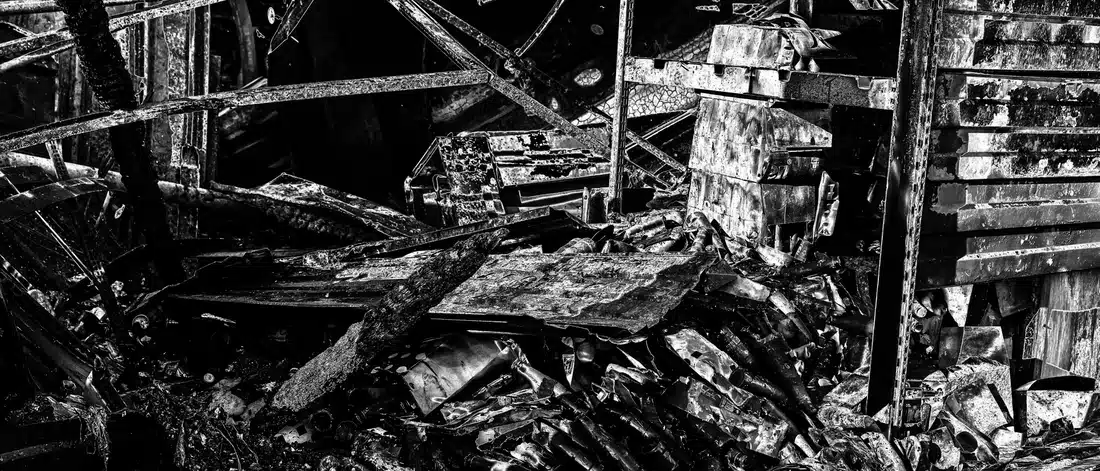
When water or fire damage affects older buildings, hidden hazards like asbestos and lead can turn a routine cleanup into a serious health risk. Properties built before 1980 often contain asbestos-containing materials or lead-based paint, both of which can become dangerous when disturbed by flooding or fire. Water damage can break down materials and release asbestos fibers into the air, while fire can transform lead paint into toxic airborne particles. Federal regulations require testing and air monitoring before any mitigation begins, making proper inspection, containment, and certified abatement essential steps before standard restoration work can safely move forward.
Understanding the Prevalence of Asbestos and Lead in Older Structures
Buildings constructed before 1980 often contain asbestos and lead because these materials were standard in manufacturing and construction for most of the 1900s. Workers used asbestos in pipe wrapping, floor tiles, roofing sheets, wall compounds, and fireproofing.
Lead appeared in paint, water pipes, pipe connections, and some bathroom fixtures. The Environmental Protection Agency reports that about 35 million American homes have lead-based paint.
Asbestos amounts differ by location, depending on what building codes require and what materials builders can get. These dangerous substances stay safe when left alone and kept in good condition.
Water leaks, fires, or building teardowns can break these materials apart. This breakage releases tiny fibers and dust particles into the air that people can breathe. These particles cause serious health problems, including lung disease, cancer, and nervous system damage.
Professional testing by certified inspectors must happen before starting any removal or repair work in buildings built before 1980. This testing identifies which materials contain asbestos or lead, where they are located, and how much is present.
Only licensed abatement contractors should handle the removal of these hazardous materials using proper safety equipment and disposal methods.
How Water Damage Disturbs Asbestos-Containing Materials
Water breaks down asbestos-containing materials by attacking the substances that hold asbestos fibers together. When moisture enters these materials, it weakens glues, breaks apart cement mixtures, and causes the material to swell. This swelling creates cracks throughout the material. Wet asbestos materials become friable (easily crumbled), which means the fibers can break free and float in the air.
Water damage creates danger during cleanup work. Workers removing wet insulation, ceiling tiles, or floor materials apply physical force that releases trapped asbestos fibers into the air. When wet materials dry out, they expand and contract with temperature changes. This movement further weakens the material structure and releases more fibers.
Federal safety agencies enforce strict rules about asbestos in water-damaged buildings. Occupational Safety and Health Administration (OSHA) requires testing for asbestos before workers disturb any materials in buildings constructed before 1980.
The Environmental Protection Agency (EPA) requires specific safety steps when removing water-damaged asbestos materials. These steps include sealing off the work area with plastic barriers, using special air filters, and testing the air quality. These protocols protect both cleanup workers and building occupants from breathing dangerous asbestos fibers during water damage restoration projects.
Building owners must hire licensed asbestos abatement contractors when water damages suspected in asbestos materials. These professionals wear protective equipment, including respirators and disposable suits, and follow strict disposal procedures for contaminated materials.
Fire’s Impact on Lead-Based Paint and Asbestos Products
Fire changes lead-based paint and asbestos materials into dangerous airborne threats through specific chemical reactions and physical breakdown. When temperatures rise above 500°F, lead compounds turn into vapor and create tiny breathable particles. These particles travel through smoke and land on surfaces as toxic dust.
Asbestos materials break down when flames touch them because the materials that hold the fibers together fall apart. Building materials like pipe insulation, floor tiles, and roofing shingles become crumbly and weak during fires. This weakness causes asbestos fibers to release into the air at much higher rates.
After a fire ends, both lead contamination and asbestos contamination exist together in the same space. This dual hazard requires special testing before cleanup work starts. The Environmental Protection Agency (EPA) and Occupational Safety and Health Administration (OSHA) require detailed air quality tests and surface sample collection.
These tests identify where contamination exists and how far it spreads. Professional restoration teams must follow the highest level of hazardous material safety rules when both lead and asbestos are present. Safety equipment includes HEPA (High-Efficiency Particulate Air) filtration machines and negative air pressure systems. These systems keep contaminated air from spreading to clean areas during the restoration process.
Workers need protective gear including respirators, protective suits, and sealed work zones. All contaminated materials require proper disposal at approved hazardous waste facilities. Building owners cannot allow people to enter fire-damaged buildings until testing confirms safe lead and asbestos levels.
Pre-Mitigation Assessment and Hazardous Material Testing Protocols
Certified industrial hygienists must inspect fire-damaged structures before any cleanup work begins. These safety experts check for dangerous materials like asbestos and lead that fire and heat may have exposed or released.
The assessment process involves several key steps:
- Visual Survey: Safety inspectors walk through the entire building to identify materials that might contain hazards. They look at burned walls, ceilings, floors, and debris piles.
- Sample Collection: During inspection, they take small pieces of suspicious materials for testing. These samples represent different areas and material types throughout the damaged structure.
- Air Quality Testing: Teams measure airborne particles to understand what hazardous substances float in the building’s atmosphere. This baseline measurement helps protect workers during restoration.
- Record Keeping: All sample locations, collection times, and handling procedures get documented. These chain-of-custody forms track each sample from the building to the laboratory.
| Assessment Task | What Inspectors Do | Safety Rule Reference |
| Visual Survey | Find and record suspect materials | ASTM E2308-22 |
| Sample Collection | Take representative material specimens | EPA 600/R-93/116 |
| Air Quality Testing | Measure airborne particle levels | NIOSH Method 7400 |
| Record Keeping | Track all samples and findings | 40 CFR Part 763 |
Laboratory Testing Methods
Certified laboratories examine collected samples using specialized equipment:
Asbestos Testing: Scientists use polarized light microscopy (PLM) to identify asbestos fibers in building materials. This method magnifies samples and uses special lighting to detect the mineral’s unique crystal structure.
Lead Testing: Atomic absorption spectroscopy (AAS) measures lead concentration in paint, dust, and building components. The instrument heats samples and measures light absorption to calculate exact lead amounts.
These test results tell restoration teams which dangerous materials exist, where they are located, and how much is present. This information determines the safety equipment workers need, the containment methods required, and the proper disposal procedures for hazardous waste removal.
Personal Protective Equipment Requirements for Contaminated Sites
Laboratory test results show which safety gear workers need during fire damage cleanup. OSHA rules require specific personal protective equipment based on how much contamination exists and how long workers face exposure.
Asbestos fibers above 0.1 f/cc (fibers per cubic centimeter of air) require full-face respirators with HEPA filters. Lead levels above 50 μg/m³ (micrograms per cubic meter) require breathing protection and throwaway coveralls to stop workers from bringing toxins home.
Required PPE components for hazardous cleanup work:
- Full-face respirators with P100 or HEPA filters to block dangerous particles in the air
- Tyvek suits with attached hoods, boot covers, and gloves that seal off all exposed skin
- Air-purifying respirators replaced with supplied-air systems when oxygen drops below 19.5%
- Decontamination stations that keep clean areas separate from contaminated work zones
Higher hazard levels mean more protective equipment, keeping workers safe according to OSHA standards.
Containment Strategies to Prevent Cross-Contamination
During fire damage cleanup, asbestos fibers and lead dust can float through the air. These toxic particles move from contaminated zones into clean areas where people live and work. Physical barriers must separate the cleanup workspace from all occupied buildings.
Barrier Installation Requirements
Workers install thick plastic sheeting (polyethylene) across all doorways, windows, vents, and wall openings. Heavy-duty contractor tape seals every edge of the plastic to walls, floors, and ceilings.
The sealed barriers create an enclosed containment zone that blocks particle movement.
Negative Pressure Systems
HEPA-filtered air scrubbers pull contaminated air from inside the work zone and push clean air outside. This process creates lower air pressure inside the containment area compared to surrounding rooms.
The Environmental Protection Agency (EPA) requires a pressure difference of at least 0.02 inches water column. Air naturally flows from high-pressure clean areas toward low-pressure contaminated zones, preventing toxic particles from escaping the work area.
Decontamination Chambers and Airlocks
Personnel exit the contaminated zone through special cleaning rooms called decontamination chambers. Airlocks function as double-door entry systems—workers pass through the first door, which closes before the second door opens.
This sequential chamber design stops airborne particles from escaping when workers enter or leave.
Safety Signage and Warnings
The Occupational Safety and Health Administration (OSHA) mandates visible warning signs posted at all containment boundaries. Signs identify which specific hazardous materials (asbestos, lead, or both) exist inside the work zone.
Air Quality Monitoring
Real-time particulate counters measure airborne particle concentrations throughout the containment process.
These monitoring devices verify that barriers, negative pressure systems, and airlocks function properly to prevent contamination spread.
Hazardous Waste Handling
Contaminated materials collect in designated staging areas within the containment zone. Workers place waste into approved containers that meet Department of Transportation (DOT) specifications.
Each container receives proper hazard labels and complete sealing. Secondary containment systems (outer containers or lined collection areas) prevent leaks during storage.
Licensed disposal facilities receive the containerized waste for final treatment.
Documentation and Chain of Custody for Hazardous Waste
Every container holding asbestos debris and lead materials needs full documentation from the moment workers bag the waste until final disposal at an approved facility. Chain of custody records establish who handled the materials at each step and prove the work meets government safety rules. These documents must include waste testing data, shipping papers, and disposal receipts that show exactly where materials went.
Required documentation components include:
- Waste manifests listing the company generating the waste, EPA waste classification codes, amounts in pounds or cubic yards, and licensed transporter information
- Laboratory test reports showing contaminant levels in parts per million and confirming proper waste categories under EPA Resource Conservation and Recovery Act (RCRA) standards
- Photographic evidence showing container labels with hazard symbols, storage area conditions meeting OSHA requirements, and loading procedures at each transfer location
- Disposal facility certificates proving final delivery and acceptance at permitted hazardous waste landfills or treatment centers
Keeping these records for the required time periods protects restoration contractors from legal claims. Federal law requires a minimum three-year retention period for hazardous waste manifests. State environmental agencies may require longer retention periods.
The documentation creates a complete record showing materials moved safely from the work site through licensed transporters to permitted disposal facilities. This paper trail demonstrates the contractor followed proper handling protocols and disposed of dangerous materials at facilities authorized to receive asbestos-containing materials and lead-contaminated waste under environmental protection regulations.
Safe Removal and Disposal Methods for Contaminated Materials
Workers must isolate the work area before removing asbestos or lead-contaminated materials. The isolation system includes polyethylene sheeting barriers and negative air pressure machines. These machines stop airborne particles from moving into clean zones.
Material-Specific Removal Techniques
Asbestos materials require wetting with amended water (water mixed with surfactant chemicals) to keep fibers from becoming airborne during removal.
Lead-contaminated materials need HEPA-filtered vacuum cleaning. Dry sweeping spreads lead dust particles and violates safety protocols.
Containment and Packaging Standards
Workers place all removed materials in double-layer bags. These bags must have labels identifying the hazardous contents.
The containers must be impermeable (completely sealed against leaks). EPA (Environmental Protection Agency) and OSHA (Occupational Safety and Health Administration) set the required standards for these containers.
Transportation Documentation
Licensed disposal facilities accept contaminated waste shipments with proper manifests.
These manifests are legal documents that record:
- Waste origin point
- Material quantity in pounds or cubic feet
- Final destination facility location
Site Decontamination Process
Workers clean all surfaces using HEPA vacuum equipment to remove settled particles.
Wet-wiping follows the vacuuming to capture remaining contamination.
Air quality testing measures particulate levels before the area receives clearance for normal use.
Air Quality Monitoring During Active Mitigation Work
Continuous air sampling measures contamination in the air during removal work. Real-time monitoring instruments detect asbestos fibers and lead dust particles. When air pollution approaches dangerous levels, workers take corrective action right away.
Technicians place air monitors in work zones, at containment barriers, and in nearby occupied spaces. These monitors verify that engineering controls keep conditions safe. Air quality records prove compliance with OSHA regulations and EPA standards. This documentation protects workers and building occupants from exposure hazards.
Critical monitoring components include:
- Personal breathing zone samplers attach to workers’ clothing near their faces to measure individual exposure to airborne contaminants during hazardous material abatement activities.
- Area monitors mount at containment boundaries to detect barrier breaches that allow contaminated air to escape from the work zone into clean areas.
- Background samples collect data in unaffected areas of the building to establish baseline comparison measurements showing normal air quality conditions.
- Phase contrast microscopy analysis examines air samples under laboratory conditions to confirm asbestos fiber counts meet EPA clearance criteria of 0.01 fibers per cubic centimeter before workers and occupants can safely reenter the space.
Training Requirements for Restoration Teams Working Near Hazards
The quality of worker training directly impacts safety results and legal compliance on restoration projects. OSHA sets specific training levels based on how much exposure workers face and what tasks they perform.
Asbestos Training Requirements
Class III and IV asbestos work requires awareness-level training. Workers learn to recognize asbestos hazards, follow safe work methods, and select proper personal protective equipment (PPE).
These classifications cover minor repair work and cleanup activities where asbestos-containing materials remain largely undisturbed.
Lead Training Requirements
Lead-related work requires training that follows federal standard 29 CFR 1926.62. Workers must understand how lead enters the body through breathing, eating, or skin contact.
Training covers medical testing schedules, blood lead level monitoring, and decontamination steps to prevent lead from spreading beyond work zones.
Competent Person Requirements
Restoration technicians who supervise hazardous material operations need competent person training. This advanced training qualifies supervisors to identify hazards, authorize work procedures, and stop work when unsafe conditions develop.
Documentation Standards
Employers must maintain training certificates showing course completion dates and instructor credentials. Attendance records prove each worker received required instruction.
Workers complete refresher training annually to maintain qualification status. Employers verify training effectiveness through written tests and hands-on skill demonstrations.
Workers cannot begin hazardous material operations until passing both evaluation methods.
Third-Party Certification Programs
EPA-approved and OSHA-recognized certification programs offer standardized courses. These programs ensure all restoration workers receive identical core knowledge about asbestos fibers, lead dust, proper containment barriers, air monitoring equipment, waste disposal regulations, and worker protection protocols across different job sites.
Communication Protocols With Property Owners and Occupants
When restoration teams find asbestos fibers or lead-based paint during cleanup work, federal laws and state rules require specific disclosure requirements to people living in the building and property owners.
Documentation files must show hazard locations, laboratory testing results, and cleanup timelines. Teams need to set up clear communication channels before starting work. The team assigns one primary contact person for questions and project updates.
Required communication protocols include:
- Give written notification letters within 24 hours after finding hazardous materials. The letter explains material types (like friable asbestos insulation or lead paint), exact locations in the building, and quick safety measures.
- Hand out EPA-approved information pamphlets about asbestos exposure risks and lead poisoning dangers to all building occupants.
- Keep daily work logs that property owners can read. Logs record containment barrier activities and air quality monitoring results from certified industrial hygienists.
- Hold required pre-work meetings that explain work scope, expected duration (measured in days or weeks), and occupant restrictions during the abatement process.
These communication protocols meet regulatory compliance standards under OSHA regulations and EPA guidelines. The protocols maintain transparency with property stakeholders throughout the environmental remediation process.
Insurance Considerations and Cost Implications
Insurance companies usually refuse to pay for asbestos or lead cleanup that existed before a fire or water loss. Restoration contractors must read insurance policies with care and keep detailed records. The contractor needs to separate two types of work: damage repair that insurance covers and hazardous material removal that insurance does not cover.
Setting clear work boundaries with insurance adjusters before starting any project prevents payment disputes.
The real costs go far beyond removing dangerous materials. Projects need licensed abatement contractors who follow strict safety protocols. Work takes longer because of the required safety procedures. Property owners may need temporary housing during extended cleanup periods.
Multiple rounds of air quality testing and surface sampling add expenses. Hidden asbestos in walls or lead paint under newer layers often appears during demolition, creating unexpected costs and delays. Clear communication with property owners, insurance adjusters, and abatement specialists keeps everyone informed about scope changes.
Documentation protects contractors from legal liability and helps property owners understand what insurance will pay. Take photographs before, during, and after work. Collect laboratory test results showing asbestos content, lead levels, or clearance certificates. Get written cost estimates from certified abatement companies.
Keep copies of insurance policy exclusions related to pre-existing environmental hazards. This evidence package demonstrates professional practices and supports insurance claims for covered portions of work.
Contractors who understand insurance policy language, work with qualified environmental specialists, and maintain thorough project records manage risk effectively. Property owners receive realistic expectations about out-of-pocket costs for hazardous material removal versus insured restoration work.
Post-Remediation Clearance Testing and Verification
When abatement contractors finish removing hazardous materials like asbestos or lead, independent third-party inspectors check the work areas. These certified environmental professionals make sure the space meets government safety standards before people can come back.
The clearance process includes looking at all surfaces to confirm workers removed all dangerous materials, testing the air for asbestos fibers to verify levels stay below Environmental Protection Agency (EPA) limits, and collecting dust samples from floors, windowsills, and walls to measure lead contamination.
Accredited laboratories examine the samples using transmission electron microscopy (TEM) for asbestos identification and atomic absorption spectroscopy (AAS) for lead quantification. Laboratory technicians compare test results against regulatory clearance criteria set by federal and state agencies.
All documentation includes chain-of-custody forms that track samples from collection to analysis, detailed analytical reports showing measurement data, and inspector certifications proving qualifications.
Required Clearance Testing Steps:
- Visual inspection protocols check that no visible residue, debris, or structural damage exists in cleaned zones
- Air sampling uses calibrated pumps and specialized filters that meet National Institute for Occupational Safety and Health (NIOSH) method requirements
- Surface wipe testing follows EPA-mandated protocols with specific sampling locations based on room size and square footage
- Final clearance reports create legal records that protect property owners, building managers, and contractors from liability claims
These clearance procedures ensure worker safety, protect future occupants from exposure to carcinogens and neurotoxins, and verify compliance with Occupational Safety and Health Administration (OSHA) regulations and state environmental codes.
When dealing with water or fire damage in older buildings, the presence of asbestos and lead can pose significant health risks. Proper testing and certified abatement are necessary to ensure safety during restoration efforts.
- Buildings constructed before 1980 often contain hazardous materials like asbestos and lead, which can become dangerous when disturbed.
- Federal regulations mandate testing and air monitoring before any cleanup begins, making inspections essential.
- Licensed contractors must handle the removal of these materials using appropriate safety measures to protect workers and occupants.
Asbestos and lead pose significant health risks during water or fire mitigation in older buildings. Properties built before 1980 may contain hazardous materials that can be released when disturbed. Federal regulations mandate testing and air monitoring prior to mitigation, making inspection, containment, and certified abatement critical for safe restoration.


