
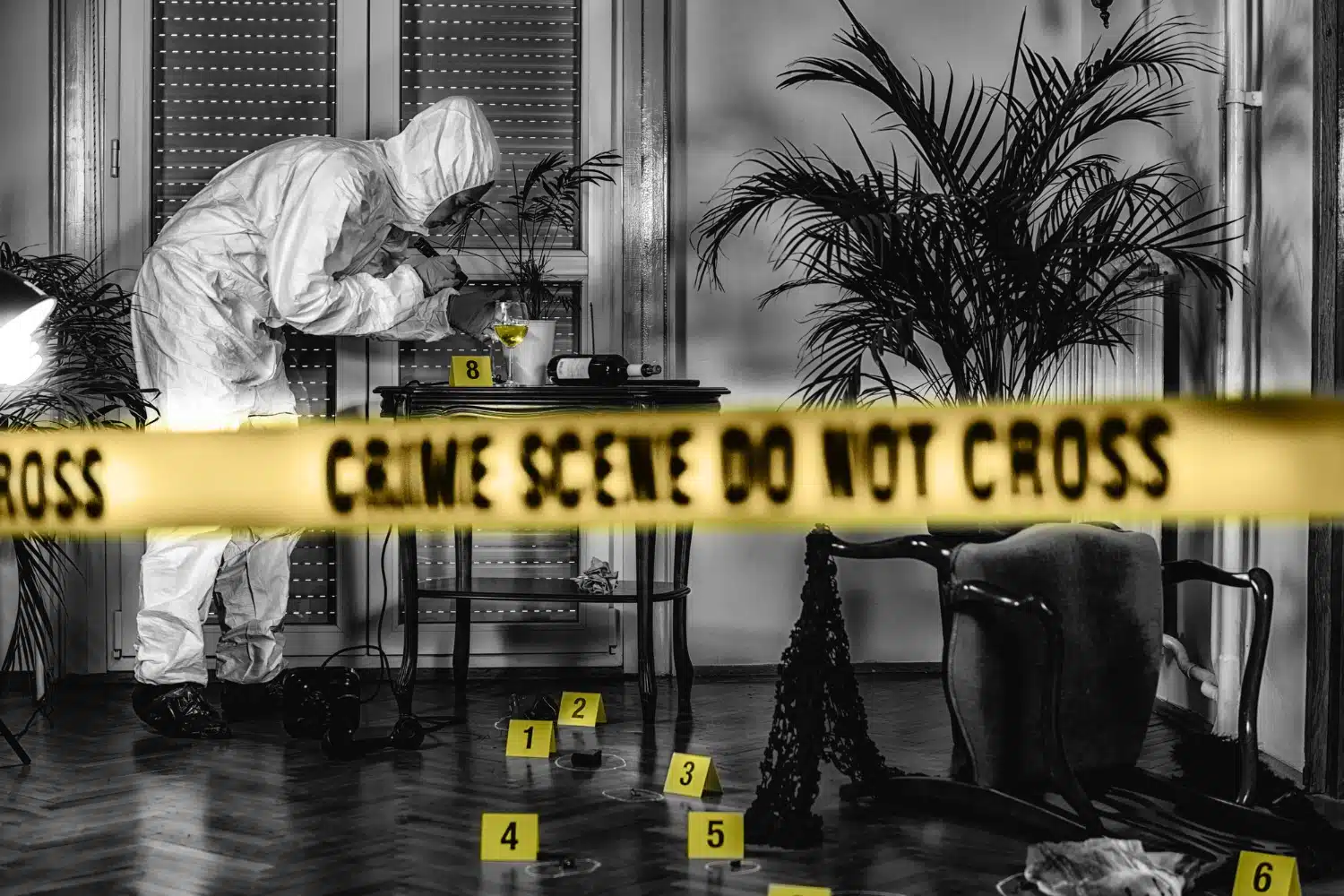
ARC Restoration provides professional scene cleanup services in Superior, CO, handling biohazard remediation following traumatic events, unattended deaths, or serious accidents with specialized training and discretion.
- Our technicians hold certifications in bloodborne pathogen handling and use hospital-grade disinfectants while following OSHA and EPA guidelines for proper biohazard disposal through licensed medical waste facilities.
- Superior's 5,700-foot elevation and low humidity create unique challenges as biological materials dry quickly and become airborne particulates, while the mix of older ranch homes and newer construction requires different decontamination approaches.
- We provide 24/7 emergency response with unmarked vehicles for privacy, thorough documentation for insurance claims, and connections to local support services like grief counselors for families during difficult times.
Scene cleanup is a specialized restoration service required after traumatic events, unattended deaths, or serious accidents. In Superior, CO, professional scene cleanup teams use specialized training, equipment, and biohazard protocols to safely restore affected properties. The area's high altitude and dry climate in Boulder County create unique challenges for biological material decomposition and odor control that require expert handling.
Overview
Scene cleanup represents one of the most challenging restoration services, requiring specialized training, equipment, and a deep understanding of biohazard protocols. In Superior, where rapid development has brought diverse housing types alongside established neighborhoods, professional scene cleanup becomes necessary following traumatic events, unattended deaths, or serious accidents. The altitude and dry climate of Superior's location in Boulder County create unique challenges for biological material decomposition and odor control.
ARC Restoration approaches scene cleanup with the respect and discretion these situations demand. Our technicians hold specialized certifications in bloodborne pathogen handling and biohazard remediation, using hospital-grade disinfectants and containment procedures that protect both occupants and neighboring properties.
- Complete biohazard removal following OSHA and EPA guidelines for bloodborne pathogens
- Discrete service vehicles and unmarked equipment to protect privacy during sensitive situations
- Thorough decontamination that addresses visible contamination and microscopic pathogens
- Proper disposal through licensed medical waste facilities, never standard landfills
Common Issues in Superior, CO
ARC Restoration provides Scene Cleanup services in all neighborhoods of Superior including Coal Creek Crossing, Cross Creek, Original Superior, Prairie's End, Rock Creek Ranch, Rock Creek Ranch II, Sagamore, Summit at Rock Creek, and Waters Edge.
Superior's position at approximately 5,700 feet elevation creates specific challenges for scene cleanup work. The lower humidity levels – often below 30% during winter months – can accelerate the drying of biological materials, making them more difficult to remove and increasing the risk of airborne particulates during cleanup. The town's mix of older ranch homes from the 1970s and newer construction from the 2000s boom means encountering everything from porous hardwood floors to modern sealed concrete, each requiring different decontamination approaches.
The close-knit nature of Superior's neighborhoods, where many homes share walls in townhome complexes or sit on smaller lots, adds urgency to proper containment procedures. Biological odors can migrate through HVAC systems or penetrate adjoining walls if not addressed quickly. The town's proximity to open space areas also means wildlife activity can complicate unattended death situations, requiring more extensive remediation.
- Dry climate causing rapid biological material desiccation, creating dust hazards during removal
- Older homes with crawl spaces where fluids can seep into inaccessible areas
- Shared ventilation systems in multi-family buildings spreading contamination and odors
- Porous building materials in vintage properties absorbing biological fluids deeply
- Temperature fluctuations between day and night affecting decomposition rates
- High-altitude sun intensity accelerating breakdown of biological materials on exterior surfaces
How ARC Restoration Can Help
Our scene cleanup process begins the moment you contact us, with a trained coordinator providing guidance while dispatch mobilizes our biohazard response team. We understand these calls come during the most difficult moments, so we handle logistics while you focus on what matters.
- Initial assessment and containment – securing the affected area with physical barriers and negative air pressure systems to prevent cross-contamination
- Documentation through detailed photography and measurements, creating records needed for insurance claims and property restoration
- Removal of all contaminated materials including carpeting, padding, drywall, insulation, and personal items that cannot be safely decontaminated
- Deep cleaning of structural elements using enzyme-based cleaners that break down biological materials at the molecular level
- Application of hospital-grade disinfectants proven effective against bloodborne pathogens, viruses, and bacteria
- Odor elimination through thermal fogging, ozone treatment, or hydroxyl generators depending on the situation
- Air quality testing to verify complete decontamination before releasing the space
- Final walkthrough with property owners or managers, explaining all work completed
Throughout the process, our technicians wear full personal protective equipment including respirators, impermeable suits, and multiple layers of gloves. We use HEPA-filtered vacuums to capture microscopic particles and seal all waste in puncture-resistant containers marked with biohazard symbols. Superior's building codes require specific disposal procedures, and we maintain relationships with licensed medical waste facilities to handle all materials properly.
Insurance & Documentation
Scene cleanup often falls under homeowner's insurance policies, though coverage varies significantly between carriers and policy types. We begin every project by documenting conditions thoroughly – photographing affected areas from multiple angles, measuring contaminated zones, and noting all materials requiring removal. This documentation becomes the foundation for insurance claims and helps adjusters understand the scope of necessary work.
Our technicians complete detailed chain-of-custody forms for all biohazard waste, providing proof of proper disposal through licensed facilities. These records satisfy both insurance requirements and Colorado Department of Public Health regulations. We maintain certifications from the Institute of Inspection, Cleaning and Restoration Certification (IICRC) and follow guidelines established by the American Bio-Recovery Association.
- Pre-work documentation including photos, videos, and written descriptions of contamination
- Itemized scope of work listing all materials removed and procedures performed
- Waste manifests tracking biohazard materials from collection through final disposal
- Air quality test results confirming successful decontamination
- Certificates of completion verifying the space meets health and safety standards
Why Choose ARC Restoration
ARC Restoration employs only technicians who have completed specialized biohazard training beyond standard restoration certifications. Our team members hold Trauma and Crime Scene Cleanup certifications and participate in ongoing education about emerging pathogens and decontamination technologies. We invest in equipment that exceeds industry standards – including ATP meters that detect biological contamination invisible to the naked eye and thermal imaging cameras that identify fluid penetration within wall cavities.
Our response protocols prioritize discretion. Vehicles carry no external branding that identifies the nature of our work, and technicians dress in plain uniforms without patches or logos that might draw attention. We coordinate arrival times to minimize neighbor awareness and use interior staging areas to keep equipment out of public view. This approach matters in Superior's close neighborhoods where privacy concerns run high.
Beyond technical capabilities, we maintain relationships with local support services – connecting families with grief counselors, estate sale companies, and property managers who understand the unique challenges following traumatic events. Our role extends beyond cleaning to helping people navigate the practical steps that follow crisis situations.
Housing Characteristics & Scene Cleanup Considerations
Superior's housing stock reflects distinct development phases that directly impact scene cleanup complexity. The original town section features ranch-style homes built primarily between 1970 and 1990, characterized by wood-frame construction, concrete slab foundations, and porous materials including oak hardwood floors and textured drywall. These vintage properties present challenges when biological fluids penetrate subflooring or soak into wall cavities, often requiring more extensive demolition to reach contaminated materials.
The development boom from 2000 through 2007 brought thousands of townhomes and single-family residences with modern construction methods – engineered lumber, sealed concrete, and low-VOC materials that respond differently to biohazard decontamination. Many of these properties feature open floor plans where contamination can spread across larger areas, and shared walls in attached housing create potential for odor migration into neighboring units. The average home size in Superior runs between 2,000 and 2,500 square feet, larger than many Front Range communities, meaning scene cleanup often involves treating multiple rooms and floors.
Superior's mix of property types also includes luxury homes exceeding 4,000 square feet in neighborhoods like Rock Creek and Autrey Heights, where high-end finishes like natural stone, custom cabinetry, and specialty flooring require careful evaluation. Some materials can be saved through intensive cleaning, while others must be replaced entirely. The town's relatively few historic structures mean most properties have modern HVAC systems that can be sealed and decontaminated rather than replaced, though ductwork cleaning becomes necessary when airborne contamination spreads through ventilation systems.
Environmental Conditions & Scene Cleanup Implications
Superior sits at the interface between Colorado's Front Range and the Rocky Mountains, creating environmental conditions that significantly affect scene cleanup work. The area experiences low relative humidity throughout the year – often dropping below 20% during winter months – which accelerates the desiccation of biological materials. While this rapid drying can limit fluid spread, it creates airborne particulate hazards during cleanup as dried materials become friable and easily disturbed. Our technicians use misting systems and negative air machines to control dust during removal phases.
The town receives approximately 18 inches of precipitation annually, well below the national average, with most moisture arriving as snow between November and April. This dry climate means biological odors become more concentrated rather than dissipating, requiring aggressive odor control measures. Superior's elevation at 5,700 feet also affects air pressure and oxygen levels, influencing how chemical deodorizers and disinfectants perform. We adjust application rates and dwell times to account for these altitude-related factors.
Air quality in Superior benefits from its position upwind of Denver's urban core, though wildfire smoke during summer months can complicate ventilation strategies during cleanup projects. The area's soil composition – primarily clay with limited drainage – means exterior contamination requires careful handling to prevent groundwater concerns. Colorado's strict environmental regulations govern disposal of all biohazard materials, and we maintain detailed records showing compliance with both state Department of Public Health requirements and Boulder County waste management protocols. Temperature swings common at this elevation, sometimes varying 40 degrees between day and night, affect decomposition rates and require flexible scheduling to address situations at optimal times.
Population Characteristics & Scene Cleanup Considerations
Superior's population of approximately 13,000 residents reflects an affluent, educated demographic with median household incomes significantly above state and national averages. This economic profile influences scene cleanup in several ways – properties often contain high-value furnishings and finishes that warrant salvage attempts through intensive cleaning rather than automatic disposal, and homeowners typically carry comprehensive insurance policies that cover thorough decontamination work. The town's residents work primarily in technology, healthcare, and professional services sectors centered in Boulder and nearby areas, meaning many properties sit vacant during weekday business hours, which can delay discovery of incidents requiring scene cleanup.
The community skews younger than many Colorado towns, with substantial populations of families with children and working professionals in their 30s through 50s. This demographic pattern means scene cleanup often involves family homes where emotional attachments to the property run deep, requiring extra sensitivity during the restoration process. Superior's low crime rate and tight-knit neighborhoods mean traumatic events, when they occur, impact the community profoundly, and discretion becomes paramount to protect privacy.
Superior's cultural diversity, while less pronounced than larger metro areas, includes international residents and transplants from across the country who may have different expectations about restoration timelines and communication preferences. We adapt our approach to meet varied needs, providing detailed explanations of procedures and maintaining frequent contact throughout projects. The town's high education levels mean residents often research scene cleanup extensively before hiring services, arriving with informed questions about decontamination chemistry, pathogen risks, and industry standards. Our technicians receive training to explain technical aspects clearly while remaining approachable during stressful situations.
Incident Response & Public Safety Context in Superior
Superior contracts with the Louisville Police Department for law enforcement services and operates its own fire department, creating a coordinated emergency response system that influences scene cleanup logistics. When traumatic incidents occur, these agencies secure scenes and conduct investigations before releasing properties for remediation. Our relationship with local first responders streamlines the transition from investigation to cleanup, with clear protocols about evidence preservation and scene documentation that satisfy both legal requirements and restoration needs.
The town experiences relatively few violent crimes compared to national averages, but unattended deaths, accidents, and medical emergencies requiring scene cleanup occur with regularity given the population size. Superior's aging population of original residents from the 1970s development era, combined with newer residents purchasing these properties, creates situations where long-term homeowners may experience health crises in homes not equipped with modern safety features. The town's proximity to open space and trail systems also means outdoor accidents occasionally require cleanup of biological materials from vehicles or garages.
- Coordination with Louisville PD regarding scene release procedures and evidence handling
- Integration with Superior Fire Department protocols for hazardous materials incidents
- Boulder County Coroner's Office procedures affecting timeline for beginning cleanup work
- Property management company relationships for handling incidents in rental properties
- HOA notification requirements in townhome and condo communities where incidents affect shared spaces
Superior's building codes, enforced through the town's Community Development Department, require specific documentation when scene cleanup involves structural modifications or material removal. We maintain familiarity with these local requirements, ensuring all work meets code standards and obtaining necessary approvals when projects extend beyond basic cleaning into renovation territory. The town's emphasis on environmental stewardship also means heightened attention to proper waste disposal, with residents expecting full compliance with all ecological protection measures during biohazard material handling.
Weather & Alerts in Superior, CO
Current Conditions
Temp: 59°F · Feels like: 56°F
Humidity: 23% · Wind: 6 mph
Emergency Alerts
- Red Flag Warning* AFFECTED AREA...Fire Weather Zones 239, 240, 243, 244, 245, 248, 249, 250 and 251. * TIMING...From 11 AM to 7 PM MDT Wednesday. * WINDS...West 10 to 20 mph with gusts up to 35 mph. * RELATIVE HUM...NWS →
Scene Cleanup in Other Service Areas
- Arvada, CO
- Aurora, CO
- Boulder, CO
- Brighton, CO
- Broomfield, CO
- Castle Pines, CO
- Castle Rock, CO
- Centennial, CO
- Denver, CO
- Edgewater, CO
- Englewood, CO
- Erie, CO
- Federal Heights, CO
- Glendale, CO
- Golden, CO
- Greenwood Village, CO
- Highlands Ranch, CO
- Ken Caryl, CO
- Lafayette, CO
- Lakewood, CO
- Littleton, CO
- Lone Tree, CO
- Longmont, CO
- Louisville, CO
- Morrison, CO
- Northglenn, CO
- Parker, CO
- Thornton, CO
- Westminster, CO
- Wheat Ridge, CO
Useful Numbers
- Life-threatening emergencies
- 911
- Poison Control
- 1-800-222-1222
- Suicide Prevention Lifeline
- 988
- Police (non-emergency)
- (303) 441-4444
- Fire Department (non-emergency)
- (303) 772-0710
- City Hall
- (303) 499-3675
- Sheriff's Office
- (303) 441-4444
Always verify numbers from official city/county websites.


