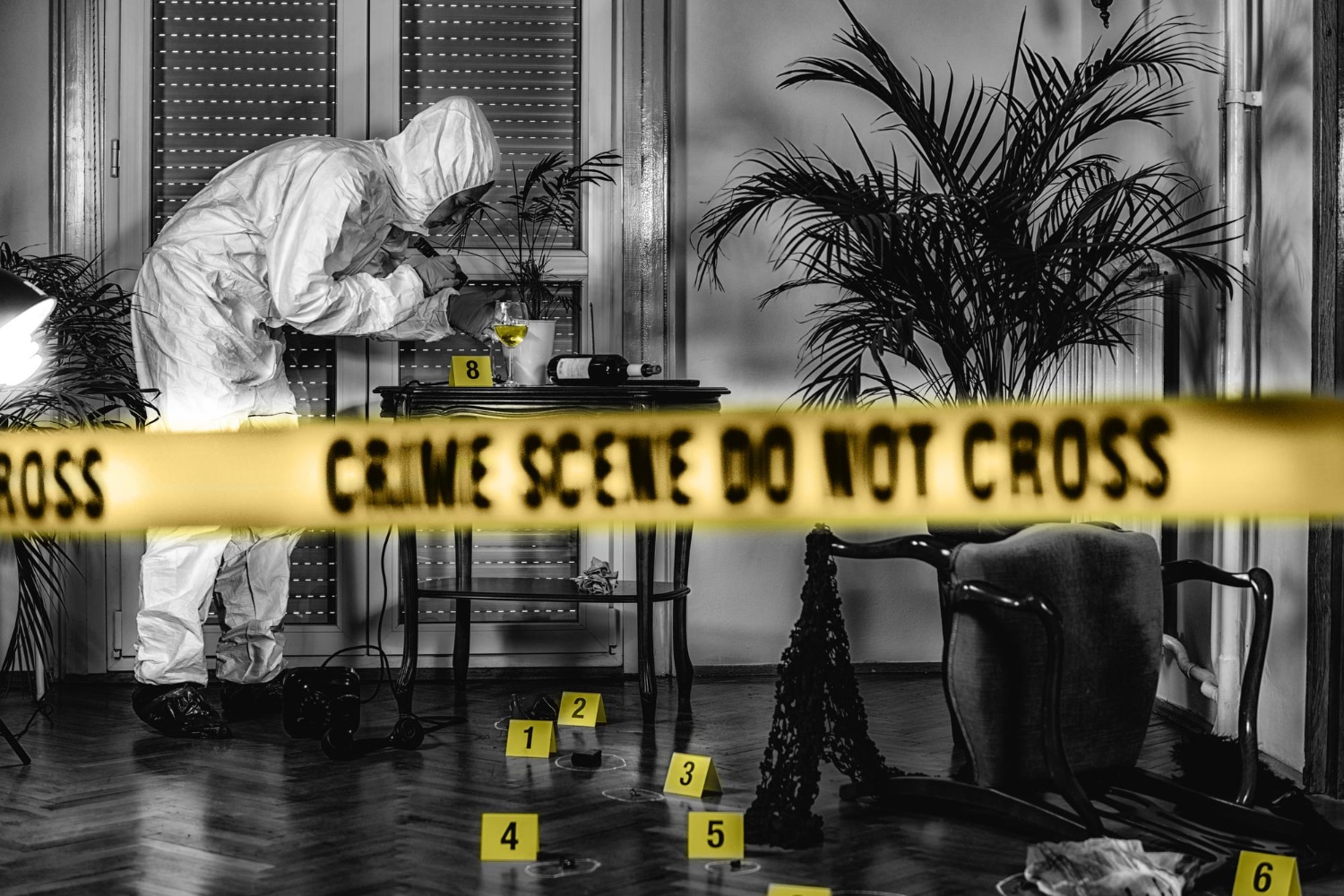
Scene cleanup services in Northglenn, CO address biohazard situations from traumatic events and unattended deaths with compassion, discretion, and technical expertise to restore spaces to safe conditions.
Northglenn's aging population and 1960s-1980s housing stock create specific challenges – concrete slab foundations allow biological fluids to penetrate deeply, while vintage materials like wood paneling and shag carpeting require complete removal rather than surface cleaning.
ARC Restoration provides 24/7 emergency response with unmarked vehicles for privacy. Their process includes containment, contaminated material removal, hospital-grade decontamination, odor treatment, and verification testing.
The company works directly with insurance companies, providing detailed documentation including photographs, material inventories, biohazard waste manifests, and ATP testing results to support claims and expedite approval.
What is scene cleanup and why is it needed?
Scene cleanup is a specialized service that addresses biohazard situations following traumatic events on a property. It goes beyond standard cleaning by combining technical expertise with compassion and discretion. Professional scene cleanup restores spaces to safe, habitable conditions while respecting the dignity of those affected during difficult times.
Overview
When tragedy strikes a property, the aftermath requires specialized care that goes far beyond standard cleaning. Scene cleanup addresses biohazard situations with the compassion, discretion, and technical expertise that families and property owners need during unimaginably difficult times. In Northglenn, where tight-knit neighborhoods and diverse housing stock require both sensitivity and adaptability, professional scene cleanup services restore spaces to safe, habitable conditions while respecting the dignity of all involved.
Scene cleanup involves the complete remediation of areas affected by traumatic events, unattended deaths, or other biohazard situations. This specialized service encompasses the removal of biological materials, thorough decontamination, proper disposal of affected materials, and restoration of the space to pre-incident condition. Northglenn’s mix of older ranch-style homes and newer construction presents unique challenges – porous materials in vintage properties can harbor contaminants, while modern building techniques require specific approaches to ensure complete remediation.
Complete biohazard removal and proper disposal following all federal and state regulations
Thorough decontamination using hospital-grade disinfectants and specialized equipment
Odor elimination addressing both surface and deep structural concerns
Compassionate, discreet service that respects the privacy of families and neighbors in Northglenn’s close communities
Common Issues in Northglenn, CO
Northglenn’s demographics create specific patterns in scene cleanup needs. As a community with an aging population in homes built primarily between 1960 and 1980, unattended deaths unfortunately occur more frequently than in newer suburban developments. Many longtime residents live alone in single-family homes, and the discovery of these situations often happens days or even weeks after the incident, complicating the remediation process significantly.
The city’s location along the Front Range creates environmental factors that impact scene cleanup. Colorado’s high altitude and low humidity can accelerate decomposition in certain ways while slowing it in others, creating unpredictable contamination patterns. Winter temperatures that fluctuate dramatically – from below freezing at night to above freezing during the day – can cause biological materials to freeze and thaw repeatedly, spreading contamination through flooring systems and into subflooring or crawl spaces.
Northglenn’s housing construction methods present specific challenges. Many homes feature concrete slab foundations with carpet directly over padding, which means biological fluids can penetrate deeply into porous concrete. Older homes often have wood paneling, popcorn ceilings, and shag carpeting – all highly absorbent materials that require complete removal rather than surface cleaning. The city’s mix of owner-occupied and rental properties also means response times vary, with some situations discovered only during routine property inspections.
Unattended deaths in older homes where residents lived alone without regular check-ins
Contamination spread through HVAC systems in homes with forced-air heating common to the area
Biological fluids penetrating through carpet into concrete slab foundations
Odor permeation into wood paneling, acoustic ceilings, and vintage building materials
Delayed discovery in rental properties leading to extensive contamination
Subflooring damage in raised foundation homes where fluids seep between floorboards
How ARC Restoration Can Help
ARC Restoration approaches every scene cleanup with a structured protocol that prioritizes safety, thoroughness, and compassion. Our technicians arrive in unmarked vehicles to protect your privacy and that of your neighbors, understanding that discretion matters deeply in residential communities like those throughout Northglenn.
Our Scene Cleanup Process
Initial assessment and documentation – we evaluate the extent of contamination, identify all affected materials, and photograph conditions for insurance purposes
Containment establishment – we seal off affected areas using physical barriers and negative air pressure to prevent cross-contamination
Removal of contaminated materials – all porous materials that cannot be adequately decontaminated are carefully removed and packaged
Cleaning and decontamination – we apply hospital-grade disinfectants to all remaining surfaces using proven application methods
Odor treatment – specialized equipment including ozone generators, hydroxyl generators, and thermal foggers address odor at the molecular level
Verification testing – we use ATP testing and other methods to confirm complete decontamination before clearance
Final restoration – we coordinate any necessary reconstruction to return the space to pre-incident condition
Our Specialized Techniques
HEPA filtration systems that capture airborne particles during remediation
Enzyme treatments that break down biological materials at the molecular level
Thermal imaging to detect hidden contamination within wall cavities or beneath surfaces
Proper biohazard packaging and manifesting for legal disposal at approved facilities
Coordination with law enforcement and medical examiners when scenes remain under investigation
Throughout the process, we maintain open communication with property owners, family members, and relevant authorities. We understand that you’re processing difficult emotions while also managing practical concerns, so we handle all logistics, documentation, and coordination, allowing you to focus on what matters most.
Insurance & Documentation
Scene cleanup services are frequently covered under homeowners insurance policies, though coverage varies significantly between carriers and policy types. ARC Restoration works directly with insurance companies throughout the claims process, providing detailed documentation that supports your claim and expedites approval. We photograph all affected areas before beginning work, document all materials removed, and provide itemized invoicing that clearly explains the necessity of each service performed.
Our documentation meets the standards required by insurance adjusters and includes detailed scope of work descriptions, material manifests for biohazard disposal, and certificates of decontamination upon completion. For properties under investigation, we coordinate carefully with law enforcement to ensure our work proceeds only after official clearance, and we maintain chain-of-custody documentation when required.
Comprehensive photographic documentation of pre-existing conditions and contamination extent
Detailed material inventories listing all items removed and disposal methods
Biohazard waste manifests proving legal disposal at licensed facilities
ATP testing results and clearance certificates confirming successful decontamination
Itemized invoicing formatted to match insurance company requirements
Direct billing options that eliminate out-of-pocket expenses during an already difficult time
We’re certified in bloodborne pathogen handling and maintain all required licensing for biohazard remediation in Colorado. Our technicians complete ongoing training in OSHA standards, EPA regulations, and industry best practices, ensuring that all work meets or exceeds regulatory requirements.
Why Choose ARC Restoration
ARC Restoration brings specialized certifications that many restoration companies lack. Our technicians hold certifications in crime and trauma scene cleanup, bloodborne pathogen handling, and biohazard remediation – not just general restoration credentials. We’ve invested in the specialized equipment this work demands, including hospital-grade disinfectants, ATP testing meters, thermal imaging cameras, and professional-grade odor elimination systems that go far beyond what standard cleaning services possess.
Our local presence in the Northglenn area means we understand the specific housing stock you’re dealing with. We’ve worked in hundreds of Front Range homes and know exactly how contamination behaves in concrete slab foundations, how to address odor in homes with forced-air heating systems, and which vintage building materials require removal versus decontamination. We maintain relationships with local contractors who can handle any necessary reconstruction, coordinating the entire process so you work with a single point of contact rather than managing multiple vendors.
We respond quickly – typically within hours of your call – because we know that time matters both practically and emotionally. The sooner remediation begins, the less contamination spreads and the sooner healing can start. Our technicians approach every situation with genuine compassion, understanding that behind every scene cleanup is a family experiencing profound loss. We work quietly, efficiently, and with the discretion that respects both your privacy and your neighbors’ peace of mind.
Housing Characteristics & Scene Cleanup Considerations
Northglenn’s housing stock reflects the city’s development during the 1960s and 1970s suburban expansion, with the majority of homes built between 1960 and 1985. These ranch-style and split-level homes feature construction methods and materials typical of that era – concrete slab foundations, wood paneling, acoustic ceilings, and forced-air heating systems. This construction style creates specific challenges for scene cleanup that differ significantly from newer construction or historic properties.
Concrete slab foundations, common throughout Northglenn, present particular concerns during biohazard remediation. Unlike raised foundations with accessible crawl spaces, slab construction means biological fluids that penetrate carpet and padding seep directly into porous concrete. Once contamination reaches concrete, surface cleaning proves insufficient – the affected concrete must be sealed with specialized encapsulants or, in severe cases, removed and replaced. Many Northglenn homes also feature carpet installed directly over thin padding on these slabs, providing minimal barrier against fluid penetration.
The forced-air heating systems in these homes can spread contamination and odor throughout the entire structure if not properly addressed. Ductwork can draw contaminated air from affected rooms and distribute it to every space in the home. Wood paneling, popular in 1970s construction, is highly porous and absorbs both fluids and odors readily – these materials typically require complete removal rather than decontamination. Popcorn ceilings, another era-specific feature, can harbor odor molecules in their textured surface and may contain asbestos, requiring specialized handling during removal.
Single-family detached homes averaging 1,200 to 1,800 square feet with attached garages
Split-level designs creating multiple contamination zones that require individual containment
Original carpet and padding in many homes, providing decades of accumulated organic material beneath new contamination
Minimal insulation in walls and ceilings by modern standards, allowing odor migration between rooms
Small, segmented floor plans rather than open concepts, which can limit contamination spread but complicate access
Environmental Conditions & Scene Cleanup Implications
Northglenn sits at approximately 5,200 feet elevation along Colorado’s Front Range, creating environmental conditions that significantly impact biological decomposition and scene cleanup. The region’s low humidity – typically ranging between 20% and 40% – causes rapid desiccation of biological materials, which can actually complicate cleanup by creating dried, adherent contamination that bonds to surfaces. Combined with Colorado’s intense UV exposure at high altitude, these conditions create unique decomposition patterns that differ from sea-level environments.
Temperature fluctuations in Northglenn are dramatic, particularly during spring and fall when daytime temperatures may reach 60-70°F while nighttime temperatures drop below freezing. This freeze-thaw cycling causes biological fluids to expand and contract, driving contamination deeper into porous materials like concrete, wood, and drywall. Winter heating systems can accelerate decomposition in indoor environments, while summer temperatures in attics and garages can exceed 130°F, creating extreme conditions that affect both decomposition rates and the effectiveness of cleaning agents.
Air quality in Northglenn is generally good compared to urban Denver, but the area experiences seasonal challenges including wildfire smoke during summer months and temperature inversions during winter that trap pollutants near ground level. These conditions affect scene cleanup by complicating odor control – when outdoor air quality is poor, proper ventilation becomes challenging. The city’s water supply, sourced from a combination of surface water and groundwater, is treated to high standards, providing clean water for decontamination processes without the mineral content that can interfere with disinfectant effectiveness.
Low humidity requiring specialized rehydration techniques before applying certain cleaning agents
Rapid evaporation necessitating longer dwell times for disinfectants to remain effective
Altitude effects on equipment performance, requiring adjustments to ozone generators and other devices
Seasonal pollen and dust infiltration requiring additional air filtration during remediation
Clay-heavy soil composition in the area affecting drainage around foundations and potential moisture intrusion
Population Characteristics & Scene Cleanup Considerations
Northglenn’s population of approximately 38,000 residents reflects a diverse, working-class community with median household incomes slightly below the Denver metro average. The city has experienced demographic shifts over recent decades, with an increasingly diverse population that includes significant Hispanic and Asian communities alongside longtime white residents. This diversity requires cultural sensitivity during scene cleanup, as different communities have varying customs, religious practices, and expectations regarding death and property remediation.
The age distribution in Northglenn skews slightly older than newer suburban communities, with a significant population of residents over 60 who purchased homes during the 1970s and 1980s and have aged in place. This demographic reality contributes to the frequency of unattended death situations, particularly among residents living alone without nearby family. Many older residents live on fixed incomes, making insurance coordination and cost considerations particularly important. The city also has a substantial population of young families and working adults, often in service, retail, and trades occupations, who may work irregular hours and have less flexibility to manage property emergencies during business hours.
Population density in Northglenn is moderate, with primarily single-family neighborhoods where homes sit relatively close together. This proximity means that scene cleanup discretion becomes particularly important – neighbors are likely to notice unusual activity, and protecting the privacy and dignity of affected families requires unmarked vehicles and professional conduct. The community’s economic diversity means that some properties are meticulously maintained while others show deferred maintenance, which can complicate cleanup when existing conditions like water damage or pest issues intersect with biohazard situations.
Approximately 25% of households are single-person residences, increasing unattended death risk
Diverse community requiring cultural competency and multilingual communication capabilities
Mix of long-term homeowners and renters, with different insurance situations and decision-making authority
Working-class community where cost transparency and insurance coordination are particularly valued
Strong neighborhood connections meaning word-of-mouth reputation matters significantly
Biohazard Regulations & Scene Cleanup Standards in Colorado
Colorado maintains specific regulations governing biohazard remediation that directly impact how scene cleanup must be performed in Northglenn. The Colorado Department of Public Health and Environment (CDPHE) classifies scene cleanup waste as regulated medical waste, requiring proper packaging, labeling, and disposal at licensed facilities. All biohazardous materials must be placed in red bags or rigid containers marked with the biohazard symbol, and waste manifests must accompany materials to approved disposal sites. Northglenn properties fall under these state regulations, with no additional municipal requirements beyond standard waste management ordinances.
OSHA’s Bloodborne Pathogens Standard (29 CFR 1910.1030) applies to all scene cleanup work in Colorado, mandating specific training, personal protective equipment, and exposure control plans for workers handling potentially infectious materials. Technicians must complete bloodborne pathogen training, hepatitis B vaccination must be offered to all workers, and exposure incidents require immediate medical evaluation and documentation. Colorado does not currently require state-level licensing specifically for scene cleanup companies, but adherence to OSHA standards and EPA waste disposal regulations remains mandatory and enforceable.
The lack of state licensing for scene cleanup creates a situation where property owners must verify that companies possess appropriate certifications and insurance coverage. Reputable scene cleanup providers maintain certifications from organizations like the American Bio-Recovery Association (ABRA) or similar industry bodies, carry specialized liability insurance covering biohazard work, and maintain workers’ compensation coverage. In Northglenn, where many affected properties are residential, homeowners insurance policies typically cover scene cleanup under dwelling coverage, but insurers require documentation proving that work met industry standards and regulatory requirements.
All biohazard waste must be transported to licensed medical waste facilities – the nearest approved facilities serve the Denver metro area
Personal protective equipment requirements include impermeable suits, respirators, eye protection, and puncture-resistant gloves
Vehicles transporting biohazard waste must display proper placarding and carry emergency response information
Documentation requirements include waste manifests, disposal certificates, and decontamination verification
Indoor air quality standards requiring verification that spaces are safe for reoccupancy after remediation
Coordination with local law enforcement required when scenes remain under investigation or coroner jurisdiction
Scene cleanup is a specialized service that handles the remediation of areas affected by traumatic events, unattended deaths, or other biohazard situations. It involves removing biological materials, thorough decontamination, proper disposal of affected items, and restoring the space to a safe and habitable condition. This service is needed whenever biological hazards are present that require professional handling beyond standard cleaning.
The duration depends on the severity of the situation and the materials affected. A straightforward cleanup might take several hours, while more complex cases – especially in older Northglenn homes with porous materials like shag carpeting or wood paneling – can take one to several days. Situations involving delayed discovery or contamination that has spread into subflooring or concrete slabs typically require more extensive work.
Many homeowner's insurance policies do cover scene cleanup services, though coverage varies by policy and situation. Professional scene cleanup companies typically work directly with insurance providers and can help you file claims. It's best to contact both your insurance company and a cleanup service to understand your specific coverage options.
Biohazard scenes contain potentially dangerous pathogens including bloodborne diseases that pose serious health risks without proper protection and training. Professional scene cleanup technicians use hospital-grade disinfectants, specialized equipment, and personal protective gear to safely handle these materials. They also follow federal and state regulations for proper disposal that individuals cannot legally perform on their own.
Professional scene cleanup companies in Northglenn prioritize discretion and privacy, especially in close-knit neighborhoods. Technicians typically arrive in unmarked vehicles and work to minimize any visible signs of their presence. Respecting the dignity of families and maintaining privacy within the community is a standard practice in this industry.
All biohazardous materials removed during scene cleanup are disposed of according to strict federal and state regulations. This includes contaminated carpeting, padding, drywall, personal items, and any other affected materials. Professional cleanup companies transport these items to licensed facilities equipped to handle biohazardous waste safely.
Professional scene cleanup services use systematic approaches including ATP testing and visual inspection under specialized lighting to verify complete decontamination. They address not just visible contamination but also odor elimination and deep structural concerns. Reputable companies will walk you through their process and provide documentation that the space has been restored to safe, pre-incident condition.