
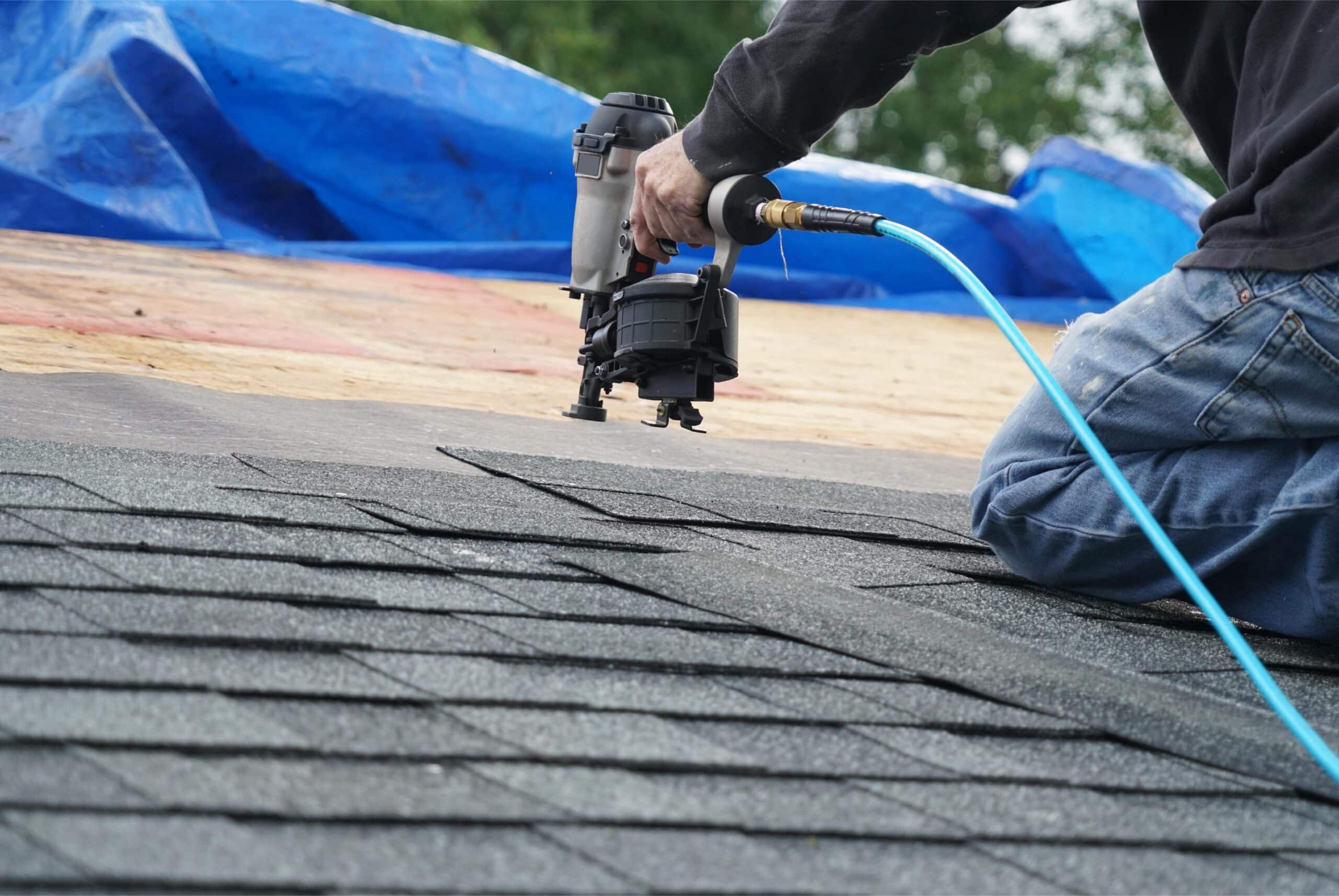
ARC Restoration offers roof restoration services in Highlands Ranch, CO, addressing damage from hail, UV exposure, and extreme temperature swings common at the area's 5,900-foot elevation.
- Highlands Ranch homes face 25% more UV radiation than sea level locations, plus 88 days of annual hail potential and 90 freeze-thaw cycles that accelerate roof deterioration.
- The restoration process includes drone inspections, moisture detection, protective coatings, structural reinforcement, and documentation for insurance claims with all major carriers.
- Most homes in the area were built between 1985 and 2005, meaning many roofs are now approaching or exceeding their 20 to 25 year design life and need restoration rather than simple repairs.
Roof restoration is a complete process that goes beyond basic repairs to address existing damage while extending your roof's lifespan. It involves strategic treatments, protective coatings, and structural reinforcement to protect your home from wear caused by hail damage, aging shingles, and other issues. This approach provides long-term protection rather than temporary fixes.
Overview
When your roof shows signs of wear – from hail damage to aging shingles – the question isn't whether to act, but how quickly you can protect your home. Roof restoration goes beyond simple repairs. This comprehensive process addresses existing damage while extending your roof's lifespan through strategic treatments, protective coatings, and structural reinforcement.
Highlands Ranch homes face unique challenges. Our elevation, intense UV exposure, and dramatic temperature swings accelerate roof deterioration. Professional restoration makes the difference between a temporary patch and a lasting solution that protects your investment.
- Complete assessment identifies hidden damage before it spreads
- Advanced coatings and treatments add years to your roof's functional life
- Structural reinforcement prevents future damage from Colorado's severe weather
- Energy-efficient solutions reduce heating and cooling costs year-round
Common issues in Highlands Ranch, CO
When Roof Restoration Peaks in Highlands Ranch
Hail storms and severe weather are most common in late spring, causing significant roof damage that requires restoration.
Homeowners schedule repairs before harsh winter conditions to prevent ice dam damage and ensure roofs can handle heavy snow loads.
After freeze-thaw cycles and winter weather, homeowners discover damage and schedule restoration before summer.
Highlands Ranch sits at approximately 5,900 feet elevation, where thin atmosphere means 25% more UV radiation hits your roof compared to sea level. This relentless exposure breaks down shingle adhesives and granules faster than in lower elevations. The semi-arid climate brings another challenge – dramatic temperature swings that cause roofing materials to expand and contract daily, creating stress fractures and lifting shingles.
Our area experiences an average of 88 days per year with hail potential. Even small hail creates micro-fractures that compromise shingle integrity. Many homeowners discover damage only after leaks appear inside – by then, underlying decking may need replacement. Spring brings rapid freeze-thaw cycles that worsen existing cracks, while summer temperatures exceeding 90°F make asphalt shingles brittle and prone to cracking.
- Granule loss from UV exposure leaves shingles vulnerable to water penetration
- Wind damage from Front Range downslope events reaching 50+ mph
- Ice dam formation in valleys and north-facing slopes during winter
- Flashing deterioration around chimneys and vents from thermal cycling
- Algae and moss growth in shaded areas despite our dry climate
- Fastener seal failure from temperature extremes causing nail pops
Watch for curling shingle edges, dark streaks indicating granule loss, or visible daylight through attic boards. Interior water stains, even small ones, signal immediate attention needed before structural damage escalates.
How ARC Restoration can help
Our restoration process begins with a detailed inspection using drone technology and moisture detection equipment. We document every vulnerable area – from damaged shingles to compromised flashing – creating a comprehensive restoration plan tailored to your roof's specific conditions and your home's needs.
Our Restoration Process
- Complete structural assessment including decking inspection and ventilation evaluation
- Damage documentation with photographic evidence for insurance claims
- Surface preparation including cleaning, debris removal, and minor repairs
- Application of protective coatings or replacement of damaged sections
- Flashing repair or replacement around all penetrations and valleys
- Sealant application to vulnerable areas prone to wind and water infiltration
- Final inspection with thermal imaging to verify complete coverage
Advanced Techniques We Use
- Elastomeric coatings that reflect UV rays and reduce thermal stress
- Targeted shingle replacement maintaining manufacturer warranties
- Ventilation upgrades preventing heat and moisture buildup
- Ice and water shield installation in critical valleys and eaves
- Wind-resistant fastening systems exceeding local code requirements
Throughout the project, you receive daily updates with photos showing progress. We work systematically, protecting your property with tarps and ensuring your home remains secure even during multi-day projects. Quality checks happen at each phase – we don't move forward until the current stage meets our standards.
Insurance & documentation
Roof restoration often qualifies for insurance coverage, especially when storm damage triggers the need. We document every aspect of your roof's condition with high-resolution photos, moisture readings, and detailed reports that insurance adjusters require. Our team has worked with every major carrier serving Highlands Ranch – we understand what documentation they need and how to present your claim effectively.
For work requiring permits, we handle all submissions and inspections. Douglas County building codes have specific requirements for roofing work, and we maintain current knowledge of these regulations. Our documentation includes material specifications, installation methods, and compliance verification.
- Pre-restoration condition reports with annotated photographs
- Material certifications and manufacturer warranty documentation
- Detailed scope of work matching insurance adjuster assessments
- Post-restoration inspection reports with thermal imaging results
- Maintenance recommendations extending your roof's restored lifespan
- Transferable workmanship warranties for future property sales
We coordinate directly with adjusters when needed, providing technical expertise that supports your claim. All work meets or exceeds manufacturer specifications – protecting both your warranty coverage and your investment.
Why choose ARC Restoration
Our team holds certifications from major roofing manufacturers including GAF, CertainTeed, and Owens Corning. These aren't just credentials – they represent ongoing training in the latest restoration techniques and access to premium materials not available to general contractors. We've completed over 500 roof restorations in Douglas County, giving us intimate knowledge of how Highlands Ranch's specific conditions affect different roofing systems.
Response time matters when roof damage threatens your home. We provide emergency assessments within 24 hours and can begin protective measures immediately. Our local presence means we're here for follow-up inspections and warranty service – not a distant company that disappears after project completion.
- IICRC-certified technicians with specialized training in restoration techniques
- Thermal imaging technology identifying hidden moisture and insulation issues
- Direct relationships with material suppliers ensuring quality and availability
- Comprehensive project management from initial assessment through final inspection
Every restoration includes a detailed maintenance plan customized for Colorado's climate. We explain what to watch for and when to schedule preventative treatments – giving you the knowledge to protect your investment long-term.
Housing Characteristics & Roof Restoration Considerations
Highlands Ranch experienced its primary development boom between 1985 and 2005, meaning most homes now have roofs approaching or exceeding their 20-25 year design life. The community features predominantly single-family homes ranging from 2,000 to 4,000 square feet, with complex roof designs including multiple valleys, dormers, and varying pitch angles. These architectural features – while attractive – create numerous vulnerable points where water can penetrate and damage can accumulate unnoticed.
Construction methods from this era typically used standard three-tab or early architectural shingles over OSB decking. Many homes have inadequate attic ventilation by modern standards, causing heat buildup that accelerates shingle deterioration from the inside. The original builder-grade materials were often selected for cost-effectiveness rather than longevity in Colorado's harsh climate. This combination means many Highlands Ranch homes now require comprehensive restoration rather than simple repairs.
- Ranch-style and two-story designs with large roof footprints increasing exposure to weather
- Attached garages creating transition points vulnerable to ice dam formation
- Vaulted ceilings limiting attic access for inspection and ventilation upgrades
- Stone and brick accent features requiring specialized flashing techniques
- HOA architectural guidelines affecting material selection and color choices
Homes built before 1990 often have original roofs now showing significant wear. The transition to architectural shingles in the late 1990s improved durability, but even these systems now face age-related issues compounded by our elevation and climate. Understanding your home's construction era helps us recommend restoration approaches that address era-specific vulnerabilities while meeting current performance standards.
Environmental Conditions & Roof Restoration Implications
Highlands Ranch's semi-arid climate brings only 17 inches of precipitation annually, but what arrives often comes as intense thunderstorms with large hail or heavy snow. Our location along the Front Range creates unique weather patterns – rapid temperature drops when cold fronts push over the mountains, and powerful downslope winds that can exceed 60 mph. These conditions place extraordinary stress on roofing systems, causing failures that wouldn't occur in more moderate climates.
The thin atmosphere at our elevation allows intense UV radiation year-round. This constant bombardment degrades asphalt shingles faster than manufacturers' sea-level testing predicts. Summer surface temperatures on dark roofs can reach 160°F, while winter nights drop below zero – a 160-degree swing that causes continuous expansion and contraction. This thermal cycling loosens fasteners, cracks sealants, and creates gaps where wind-driven rain penetrates.
- Low humidity averaging 30-40% causes rapid drying and brittleness in roofing materials
- High ozone levels from Front Range air patterns accelerate oxidation of petroleum-based products
- Clay soil with poor drainage creating water pooling issues around foundations and roof edges
- Wildfire smoke exposure during summer months depositing corrosive particles on roof surfaces
- Freeze-thaw cycles averaging 90 per year stressing flashing and penetration seals
These environmental factors mean restoration must go beyond standard repairs. We select materials specifically rated for high-altitude UV exposure and extreme temperature ranges. Protective coatings we apply include UV inhibitors and flexible polymers that accommodate thermal movement. Understanding these local environmental stresses allows us to recommend restoration approaches that address root causes rather than just visible symptoms.
Population Characteristics & Roof Restoration Considerations
Highlands Ranch's population of approximately 105,000 residents represents a mature, established community with median household incomes around $120,000 – significantly above state and national averages. This demographic profile translates to homeowners who understand the value of preventative maintenance and quality restoration work. Many residents are professionals working in Denver's tech, healthcare, and financial sectors who prioritize protecting their substantial home investments.
The community skews toward families with children and empty-nesters who have lived in their homes for 10-20 years. This long-term ownership means residents have witnessed multiple hail events and understand Colorado's weather challenges firsthand. They're educated consumers who research options thoroughly and value detailed explanations of restoration processes. The area's low turnover rate means homeowners think long-term – they want restoration solutions that will last decades, not quick fixes.
- High percentage of two-income households creating scheduling needs for evening and weekend consultations
- Strong community networks where recommendations spread quickly through neighborhood groups
- Educated population comfortable with technical explanations and detailed documentation
- HOA involvement requiring coordination and compliance with architectural standards
- Environmental awareness driving interest in energy-efficient and sustainable restoration options
This demographic profile influences how we approach restoration projects. Highlands Ranch homeowners expect detailed proposals with multiple options, clear timelines, and transparent communication throughout the process. They appreciate when we explain the "why" behind our recommendations – understanding that UV-reflective coatings reduce energy costs resonates more than simply stating "this is better." The community's stability and interconnectedness mean our reputation depends on every project meeting the high standards residents expect.
Weather Patterns & Roof Damage Statistics in Highlands Ranch
Douglas County ranks among Colorado's top five counties for hail damage claims, with Highlands Ranch receiving particular attention from the National Weather Service during severe weather season. Between May and September, our area averages 2-3 significant hail events annually, with stones ranging from quarter-size to golf ball diameter. The 2017 and 2019 hail storms alone generated over $2 billion in property damage across the metro area, with Highlands Ranch experiencing some of the most severe impacts.
Wind events present another major threat. Downslope windstorms occur 15-20 times per year when high-pressure systems east of the mountains create pressure gradients. These events generate sustained winds of 40-50 mph with gusts exceeding 70 mph – strong enough to lift properly installed shingles and turn loose debris into projectiles that damage roofs. The 2020 windstorm caused widespread roof damage throughout Highlands Ranch, with insurance claims totaling over $50 million in our community alone.
- Average of 88 days per year with conditions favorable for hail formation
- Peak damage months: May (23% of annual claims), June (31%), and July (19%)
- Wind damage claims spike in March-April and November-December during seasonal transitions
- Snow load events occur 2-3 times per decade when wet spring snow accumulates rapidly
- Lightning strikes average 15-20 per square mile annually, causing secondary fire and structural damage
These statistics directly impact roof restoration timing and approach. We recommend post-storm inspections even when damage isn't immediately visible – micro-fractures from hail often don't leak initially but compromise shingle integrity, leading to failures months later. Understanding local weather patterns helps us schedule restoration work during optimal windows and select materials proven to withstand our specific threats. The frequency of severe weather in Highlands Ranch makes proactive restoration more cost-effective than reactive emergency repairs after each storm season.
Weather & Alerts in Highlands Ranch, CO
Current Conditions
Temp: 52°F · Feels like: 49°F
Humidity: 61% · Wind: 6 mph
Emergency Alerts
No active alerts.
Roof Restoration in Other Service Areas
- Arvada, CO
- Aurora, CO
- Boulder, CO
- Brighton, CO
- Broomfield, CO
- Castle Pines, CO
- Castle Rock, CO
- Centennial, CO
- Denver, CO
- Edgewater, CO
- Englewood, CO
- Erie, CO
- Federal Heights, CO
- Glendale, CO
- Golden, CO
- Greenwood Village, CO
- Ken Caryl, CO
- Lafayette, CO
- Lakewood, CO
- Littleton, CO
- Lone Tree, CO
- Longmont, CO
- Louisville, CO
- Morrison, CO
- Northglenn, CO
- Parker, CO
- Superior, CO
- Thornton, CO
- Westminster, CO
- Wheat Ridge, CO
Useful Numbers
- Life-threatening emergencies
- 911
- Poison Control
- 1-800-222-1222
- Suicide Prevention Lifeline
- 988
- Police (non-emergency)
- (303) 660-7505
- City Hall
- (303) 791-0430
- Sheriff's Office
- (303) 660-7505
Always verify numbers from official city/county websites.


