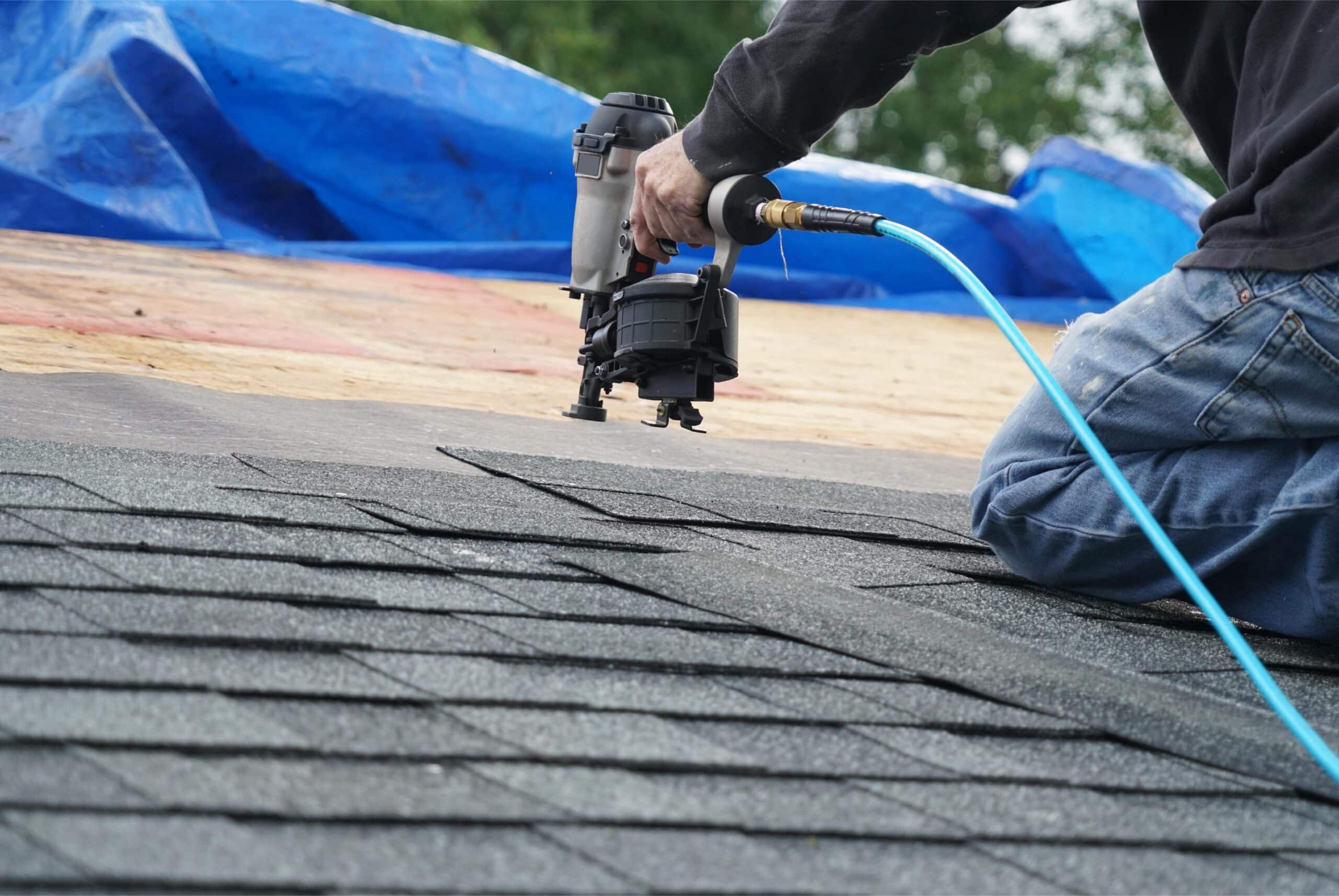
ARC Restoration offers roof restoration services in Golden, CO, addressing the area's unique challenges from high altitude, extreme UV exposure, and rapid weather changes that stress roofing materials.
Golden's 5,675-foot elevation and location where plains meet mountains creates harsh conditions including 40-50 degree daily temperature swings and intense hailstorms that accelerate roof deterioration.
The restoration process includes structural assessments, moisture mapping with thermal imaging, decking repairs, enhanced underlayment installation, and flashing rehabilitation tailored to Colorado's climate.
ARC Restoration handles permitting through Golden's Community Development Department and coordinates with the Historic Preservation Board for properties in the historic district while providing documentation for insurance claims.
What is roof restoration?
Roof restoration is the systematic rehabilitation of your existing roof system to extend its lifespan and improve performance. This process addresses issues like granule loss from shingles and structural deterioration, going beyond simple repairs to provide complete protection for your home against demanding weather conditions while preserving the original roofing materials.
Overview
Have you noticed granules from your shingles collecting in your gutters, or perhaps daylight peeking through your attic boards? These warning signs often indicate your roof needs more than simple repairs – it may be time for comprehensive restoration. Roof restoration involves systematically rehabilitating your existing roof system to extend its lifespan, improve performance, and protect your home from Colorado’s demanding weather conditions.
Professional roof restoration goes far beyond patching visible damage. The process includes thorough structural assessments, addressing hidden moisture intrusion, reinforcing weakened areas, and applying protective treatments that shield against UV radiation and temperature extremes. In Golden’s high-altitude environment, where intense sunlight, sudden hailstorms, and dramatic temperature swings challenge roofing materials daily, expert restoration can add 10-15 years to your roof’s functional life while preventing costly interior damage.
Golden’s unique position at the base of the foothills creates specific roofing challenges that demand local expertise:
Rapid weather transitions that cause expansion and contraction cycles in roofing materials
Intense UV exposure at 5,675 feet elevation that degrades standard shingles faster than at lower altitudes
Wind patterns funneling through Clear Creek Canyon that stress roof fasteners and flashing
Historic district requirements that necessitate specialized restoration approaches for older homes
Common Issues in Golden, CO
When Roof Restoration Peaks in Golden
May – SeptemberPeak Season
Optimal weather conditions with warm, dry days allow for proper material adhesion and curing before winter.
March – AprilHail Damage Season
Spring hailstorms are common along Colorado's Front Range, creating immediate demand for roof inspections and restoration.
October – NovemberPre-Winter Rush
Homeowners address roof issues before harsh winter weather and heavy snow loads arrive.
ARC Restoration provides Roof Restoration services in all neighborhoods of Golden including Briarwood Commons, Canyon View, Golden Hills, Golden Pointe Apartmements, and Mesa View Estates.
Golden’s location where the Great Plains meet the Rocky Mountains creates a perfect storm of roofing challenges. The dramatic elevation changes – from downtown Golden at 5,675 feet to nearby Lookout Mountain at over 7,000 feet – mean homes experience vastly different weather patterns within just a few miles. This geographic positioning exposes roofs to extreme temperature fluctuations, sometimes swinging 40-50 degrees in a single day, which accelerates material fatigue and creates expansion-contraction stress that loosens fasteners and cracks sealants.
The community’s mix of historic Victorian homes, mid-century ranches, and modern mountain residences presents diverse restoration needs. Older properties in the downtown historic district often feature original slate, wood shake, or early asphalt materials that require specialized restoration techniques to maintain architectural integrity while meeting modern performance standards. Meanwhile, homes built during Golden’s 1970s-1990s growth period frequently have first-generation architectural shingles now reaching the end of their designed lifespan, showing widespread granule loss and brittleness from decades of high-altitude sun exposure.
Seasonal patterns in Golden create predictable stress points that homeowners should monitor:
Spring hailstorms rolling off the foothills cause impact damage that may not become apparent until months later when compromised shingles begin failing
Summer’s intense UV radiation at elevation breaks down asphalt binders faster than in lower-altitude communities, leading to premature aging
Fall’s dramatic temperature swings between warm afternoons and freezing nights create moisture infiltration risks as materials contract
Winter ice damming along north-facing roof sections, particularly common in Golden’s tree-shaded neighborhoods near Clear Creek
Wind-driven rain during spring storms that exploits any weaknesses in flashing around chimneys and valleys
Moss and algae growth on shaded roof sections in areas with mature tree canopy, especially in older neighborhoods like Crawford Gulch
How ARC Restoration Can Help
Our roof restoration process begins with a comprehensive multi-point inspection that goes well beyond what you can see from the ground. We examine your roof from multiple angles – walking the surface when safe, inspecting from ladder height, and evaluating attic spaces for signs of moisture intrusion or structural concerns. This thorough assessment identifies not just obvious damage but also underlying issues like deteriorated decking, inadequate ventilation, or compromised structural members that could undermine restoration efforts if left unaddressed.
The restoration process follows a systematic approach tailored to your roof’s specific condition and materials:
Complete documentation with high-resolution photography and detailed measurements for insurance and permitting purposes
Structural evaluation of decking, rafters, and support systems to identify any load-bearing concerns or rot damage
Moisture mapping using thermal imaging to detect hidden water intrusion that isn’t visible during standard inspections
Removal of damaged or deteriorated materials while preserving sound components that can be effectively restored
Decking repair or replacement in affected areas, ensuring proper fastening and structural integrity
Installation of enhanced underlayment systems designed for Colorado’s climate extremes
Application of new roofing materials or protective treatments, depending on your roof’s condition and your restoration goals
Flashing rehabilitation around all penetrations, valleys, and transitions to prevent future water intrusion
Ventilation assessment and upgrades to prevent moisture accumulation and reduce temperature extremes in attic spaces
Throughout the restoration, we maintain detailed communication about progress, findings, and any adjustments needed based on conditions discovered during work. Our quality control includes multiple inspection points – after tear-off, after decking work, after underlayment installation, and upon final completion. We use specialized techniques for Golden’s climate, including cold-weather installation protocols when necessary and high-wind fastening patterns for exposed locations. Each project receives photographic documentation at every phase, providing you with a complete record of the work performed and the condition of all roof components.
Insurance & Documentation
Roof restoration projects in Golden require careful documentation to satisfy both insurance requirements and City of Golden building codes. We handle the permitting process through the Golden Community Development Department, ensuring all work meets current International Residential Code standards and local amendments specific to our region’s wind and snow loads. For properties within the Golden Historic District, we coordinate with the Historic Preservation Board to ensure restoration approaches respect architectural character while achieving modern performance standards.
Our documentation process protects your interests throughout the restoration:
Pre-restoration condition reports with date-stamped photography from multiple angles and elevations
Detailed damage assessments that identify hail impact points, wind damage, UV degradation, and structural concerns
Moisture intrusion mapping showing any water penetration pathways and affected areas
Material specifications and manufacturer certifications for all products used in your restoration
Compliance documentation showing adherence to Jefferson County building codes and manufacturer installation requirements
Final inspection reports with warranty information and maintenance recommendations specific to your roof system
When insurance claims are involved, we provide thorough documentation that adjusters need to properly evaluate your restoration needs. This includes detailed scope of work documents, material cost breakdowns, and photographic evidence of all damage. We’re experienced in working with major insurance carriers active in the Golden area and understand their documentation requirements. Our team maintains current certifications from leading roofing manufacturers and holds all required Colorado contractor licenses, ensuring your restoration meets both insurance standards and state regulatory requirements.
Why Choose ARC Restoration
Our team brings specific expertise in Golden’s unique roofing challenges, from the historic homes along Washington Avenue to modern mountain properties in Lookout Mountain neighborhoods. We maintain manufacturer certifications from leading roofing product companies, qualifying us to offer enhanced warranty coverage that standard contractors cannot provide. This certification requires ongoing training in latest installation techniques, material science, and quality control procedures – knowledge we apply to every restoration project.
Golden homeowners choose ARC Restoration because we understand the community’s distinct character and needs. We’ve worked extensively throughout Jefferson County’s foothill communities and recognize how microclimates affect roofing performance. Our local presence means rapid response when weather events occur – we’re not dispatching crews from distant locations but responding from within the community. We maintain relationships with Golden building officials, understand local permitting nuances, and can navigate historic district requirements efficiently.
Our commitment extends beyond project completion. We provide detailed maintenance guidance specific to your roof type and Golden’s climate patterns, helping you protect your restoration investment for decades. Follow-up inspections are available to catch minor issues before they become major problems. We use advanced project management systems that keep you informed throughout the restoration process, with real-time updates, photo documentation, and direct access to project supervisors. Every restoration includes comprehensive warranties covering both materials and workmanship, backed by our established local reputation and manufacturer partnerships.
Golden’s housing stock reflects distinct development periods that create specific roof restoration needs. The majority of homes were constructed during three main building booms: the Victorian era (1880s-1910s) in the downtown historic district, post-World War II expansion (1945-1965) in neighborhoods like Applewood and Pleasant View, and substantial growth during the 1970s-1990s as Golden transitioned from a small mountain town to a Denver metro suburb. This means many properties are now reaching critical roof replacement timelines, with original or first-replacement roofs approaching or exceeding their designed lifespans.
The community’s architectural diversity demands varied restoration approaches. Historic district properties often feature steep-pitched roofs with complex valley systems, multiple dormers, and decorative elements that require specialized flashing techniques. These older homes typically have 2×4 or 2×6 rafter construction with board sheathing rather than plywood, necessitating different fastening approaches during restoration. Mid-century ranches predominant in south Golden neighborhoods usually have lower-pitched roofs with simpler designs but may have inadequate attic ventilation by modern standards – a critical consideration during restoration to prevent premature material failure. Properties built from the 1980s forward generally feature engineered truss systems and plywood or OSB decking, offering more straightforward restoration paths but sometimes revealing construction shortcuts that need correction.
Housing characteristics that directly impact roof restoration planning include:
Foundation types ranging from stone and brick in historic homes to concrete in modern construction, affecting structural load considerations during material upgrades
Attic access limitations in many ranch-style homes that complicate ventilation assessments and moisture inspections
Original wood shake or slate roofs in historic properties requiring specialized removal and disposal procedures
Attached garages and complex rooflines common in 1970s-1990s construction creating multiple transition points vulnerable to leaks
Varying insulation levels across different construction eras, influencing attic temperature management and ice dam prevention strategies
Golden’s environmental conditions create accelerated aging for roofing materials compared to lower-elevation Front Range communities. At 5,675 feet above sea level, UV radiation intensity is approximately 25% higher than at sea level, breaking down asphalt shingle binders and causing granule loss at faster rates. The intense sunlight combines with low humidity – Golden averages just 30-40% relative humidity during summer months – to create brittle, cracked shingles on south and west-facing roof sections. Temperature extremes compound these effects, with summer roof surface temperatures exceeding 160°F while winter conditions can plunge below zero, creating expansion-contraction cycles that stress every fastener, seal, and material junction.
Air quality in Golden benefits from prevailing westerly winds that bring clean air down from the mountains, but seasonal inversions can trap particulates from metro Denver, depositing them on roof surfaces. These deposits, combined with moisture from snow and rain, can promote algae and moss growth on shaded roof sections, particularly those facing north or sheltered by mature trees common in established neighborhoods. The community’s water supply comes primarily from Clear Creek and is relatively soft with low mineral content, meaning runoff doesn’t leave the heavy mineral deposits seen in some areas, but the pure water can actually accelerate certain types of material degradation through more effective dissolution of protective coatings.
Environmental factors requiring specific restoration considerations include:
Soil composition in Golden – predominantly decomposed granite and clay – affects drainage patterns around foundations and can contribute to ice dam formation when poor grading directs water toward structures
Precipitation patterns averaging 20 inches annually but concentrated in spring months, creating intense wet-dry cycles that stress roofing materials
Hail frequency significantly higher than metro Denver areas due to orographic lifting along the foothills, with damaging storms occurring approximately every 3-5 years
Wind patterns funneling through Clear Creek Canyon producing sustained speeds 15-20% higher than surrounding areas, particularly affecting properties on exposed ridges
Freeze-thaw cycles occurring 80-100 times annually, far exceeding what roofing materials experience in milder climates
Wildfire smoke exposure during summer months affecting air quality and depositing acidic residues on roof surfaces
Population Characteristics & Roof Restoration Considerations
Golden’s population of approximately 21,000 residents lives in a compact 10-square-mile area, creating a relatively dense suburban environment with 2,100 people per square mile. This density means roofing projects often occur in neighborhoods with homes in close proximity, requiring careful planning for material delivery, debris removal, and noise management. The community’s median household income of approximately $85,000 reflects a mix of Colorado School of Mines faculty and students, Coors Brewing Company employees, outdoor recreation industry professionals, and Denver commuters – demographics that generally value quality restoration over quick fixes but need clear communication about investment versus return.
The population skews slightly younger than typical suburban communities, with a median age around 35 years, influenced by the student population and young professionals attracted to Golden’s outdoor recreation access. However, established neighborhoods like Applewood and Pleasant View have significant populations of long-term residents who purchased homes in the 1970s-1980s and are now facing major maintenance decisions. This creates two distinct customer profiles: younger homeowners dealing with deferred maintenance from previous owners, and established residents managing aging roofs on homes they’ve owned for decades. Both groups benefit from education-focused approaches that explain restoration options, long-term value, and maintenance strategies.
Population factors influencing roof restoration patterns include:
High percentage of college-educated residents (over 60% hold bachelor’s degrees or higher) who research thoroughly and appreciate detailed technical explanations
Strong environmental consciousness typical of Colorado foothill communities, creating demand for sustainable materials and energy-efficient restoration approaches
Significant rental property presence near Colorado School of Mines, where property investors need cost-effective restoration that maximizes lifespan
Active historic preservation community that requires specialized knowledge for restoration projects in designated districts
Outdoor recreation lifestyle meaning many residents prioritize home maintenance that protects their investment while minimizing disruption to active schedules
Employment diversity ranging from academic to industrial to professional services, creating varied scheduling needs for project timelines and communication preferences
Climate Patterns & Roof Performance in Golden
Golden experiences a semi-arid mountain climate with dramatic daily and seasonal temperature variations that directly impact roof longevity and restoration needs. The community sits in a unique transition zone where Great Plains weather systems collide with mountain influences, creating microclimates that vary significantly across just a few miles. Annual temperature ranges span from winter lows around -10°F to summer highs exceeding 95°F, but the daily swings prove even more challenging for roofing materials – a typical spring or fall day might see temperatures range from 25°F at dawn to 65°F by mid-afternoon, causing constant expansion and contraction that fatigues sealants, loosens fasteners, and creates gaps in flashing.
Precipitation patterns create distinct wet and dry seasons that influence restoration timing and material selection. Golden receives approximately 60% of its annual moisture between April and August, with May and June being peak months for severe weather including hail. These spring storms often feature large hail driven by strong updrafts along the foothills, with stones reaching golf-ball size or larger in severe events. The intense sun exposure during summer months – Golden averages 300 days of sunshine annually – means damaged shingles deteriorate rapidly once compromised, making prompt post-storm restoration critical. Winter brings relatively light snowfall compared to mountain areas, averaging 60-80 inches annually, but the snow-melt-refreeze cycles create persistent ice dam risks on north-facing roof sections and in valleys where snow accumulates.
Specific climate factors affecting roof restoration decisions include:
Chinook winds that can raise temperatures 30-40 degrees in hours, creating rapid snow melt and potential ice dam formation when temperatures drop again
Low humidity year-round (averaging 30-50%) that accelerates drying of roofing materials, making them brittle and prone to cracking
Intense solar radiation at elevation requiring impact-resistant and UV-stabilized materials for acceptable longevity
Frequent freeze-thaw cycles from October through May that exploit any moisture intrusion points, expanding cracks and gaps
Afternoon thunderstorm patterns during summer bringing sudden downpours that test flashing integrity and drainage systems
Wind speeds regularly exceeding 40 mph during spring months, particularly in exposed areas near Table Mountain and North Table Mountain
These climate realities mean roof restoration in Golden requires materials rated for severe weather exposure, installation techniques that account for thermal movement, and enhanced fastening to resist wind uplift. The optimal restoration window typically runs from late May through early October when temperatures remain consistently above freezing and afternoon thunderstorms are predictable enough to plan around. However, Golden’s generally dry conditions allow for year-round work with proper cold-weather installation protocols when urgent restoration needs arise during winter months.
Roof restoration is a comprehensive process that rehabilitates your existing roof system to extend its lifespan and improve performance. Unlike simple repairs that fix isolated problems, restoration addresses the entire roof through structural assessments, moisture treatment, reinforcement, and protective coatings. It costs less than a full replacement while adding 10-15 years to your roof's functional life.
Common warning signs include granules from shingles collecting in your gutters, daylight visible through attic boards, and widespread brittleness or cracking in roofing materials. If your roof is showing multiple areas of wear but the underlying structure is still sound, restoration is often the right choice rather than a complete replacement.
Golden sits at 5,675 feet elevation where the Great Plains meet the Rocky Mountains, creating unique challenges for roofs. Homes experience intense UV exposure that degrades shingles faster than at lower altitudes, temperature swings of 40-50 degrees in a single day, sudden hailstorms, and strong wind patterns funneling through Clear Creek Canyon that stress fasteners and flashing.
The timeline depends on your roof's size and condition, but most residential roof restorations in Golden take between a few days to a week. The process includes a thorough inspection, structural repairs, addressing moisture issues, reinforcing weakened areas, and applying protective treatments against UV radiation and temperature extremes.
Roof restoration typically costs significantly less than a complete roof replacement – often 40-60% less depending on your roof's condition. The exact price varies based on your roof's size, the extent of damage, and materials needed. A professional assessment can provide an accurate estimate for your specific situation.
Yes, but historic properties often require specialized restoration approaches to maintain architectural integrity while meeting modern performance standards. Homes with original slate, wood shake, or early asphalt materials need contractors experienced with these materials and familiar with local historic district requirements.
A professionally restored roof in Golden can last an additional 10-15 years beyond its current condition. The actual lifespan depends on the quality of materials used, the thoroughness of the restoration work, and ongoing maintenance. Protective treatments applied during restoration help shield against the high-altitude UV exposure and temperature extremes common in the area.