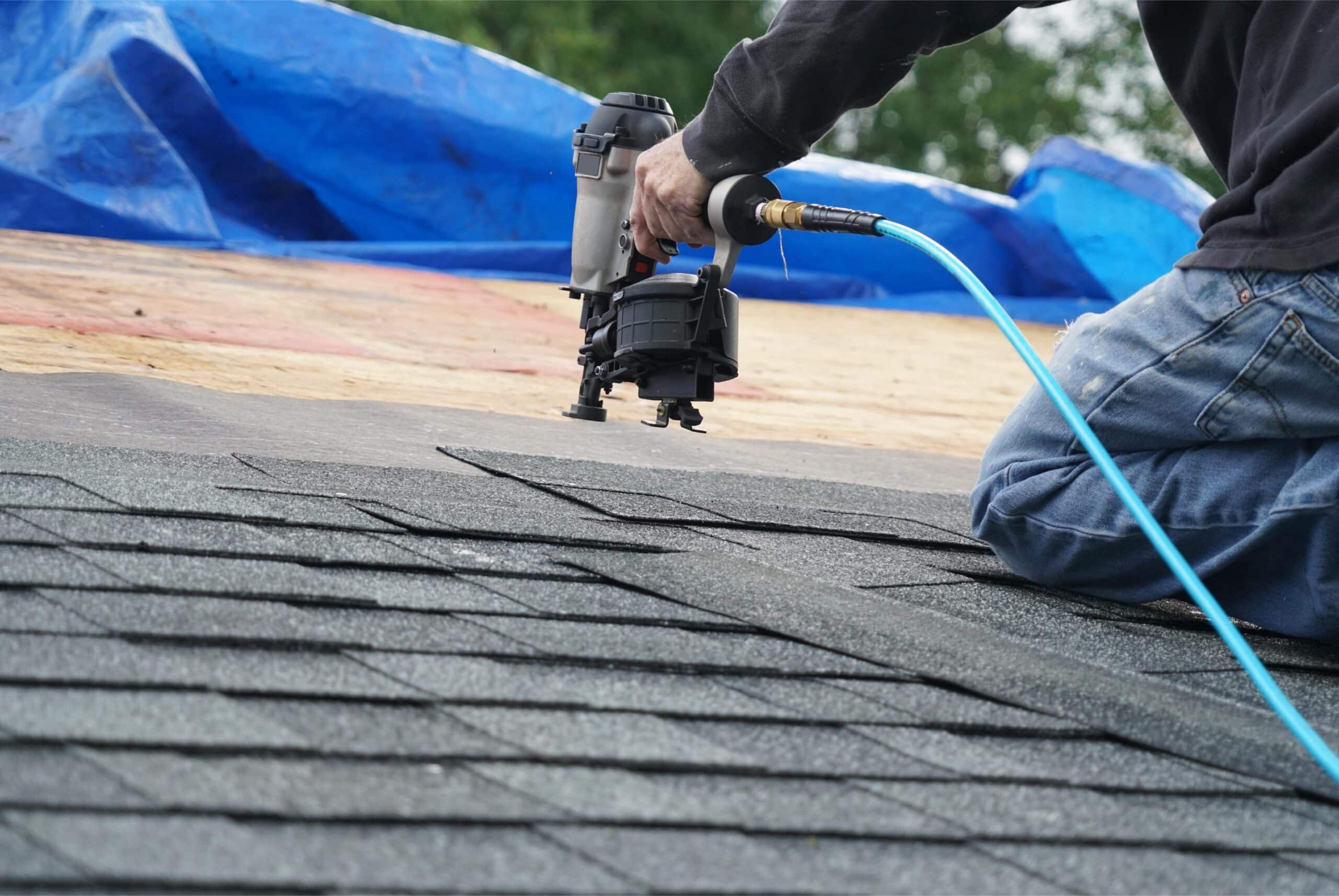
ARC Restoration provides roof restoration services in Castle Rock, CO, addressing the unique challenges of high-altitude living including intense UV exposure, dramatic temperature swings, and hail damage.
Roof restoration includes inspection, cleaning, repairs, algae treatment, and protective coatings designed for Colorado's climate – extending roof life by years or decades without full replacement.
Castle Rock homes built during the 1990s and 2000s growth period are now reaching the 15-25 year mark where restoration becomes necessary due to UV degradation and thermal cycling damage.
ARC Restoration handles permits, provides detailed documentation for insurance claims, and uses UV-resistant coatings and high-wind rated systems suited for the area's 6,200-foot elevation.
What is roof restoration?
Roof restoration is a process that renews your existing roof system rather than replacing it entirely. It addresses wear, damage, and aging by repairing problem areas, treating the surface, and applying protective coatings. This approach extends your roof's functional life by years or even decades while costing less than a full replacement.
Overview
You’ve noticed a few missing shingles after that last windstorm, or maybe you’ve spotted water stains on your ceiling that weren’t there before. Your roof has been protecting your Castle Rock home for years, but now it’s showing its age. Roof restoration goes beyond simple repairs – it’s a comprehensive process that renews your existing roof system, addressing wear and damage while extending its functional life by years or even decades.
Professional roof restoration involves thorough inspection, cleaning, repairs to damaged areas, treatment for algae or moss growth, and application of protective coatings designed for Colorado’s intense UV exposure and dramatic temperature swings. Castle Rock’s high altitude and semi-arid climate create unique challenges that demand specialized knowledge and techniques.
Key benefits of professional roof restoration include:
Extended roof lifespan without the expense of complete replacement
Improved energy efficiency through reflective coatings that combat Colorado’s intense sun
Enhanced curb appeal and property value for your Castle Rock home
Prevention of costly interior damage from leaks and moisture infiltration
Common issues in Castle Rock, CO
When Roof Restoration Peaks in Castle Rock
April – JuneSpring Hail Season
Colorado's Front Range experiences peak hail storm activity during spring, causing significant roof damage that requires restoration.
August – OctoberFall Preparation
Homeowners schedule roof repairs before winter to prevent ice dam damage and ensure roofs can handle heavy snow loads.
March – AprilPost-Winter Repairs
Freeze-thaw cycles and winter weather damage become apparent as snow melts, prompting restoration needs.
ARC Restoration provides Roof Restoration services in all neighborhoods of Castle Rock including Aspen Trail, Aurburn Brook, Castle Highlands, Coyote Run, Crystal Valley Ranch, Founders Village, High Prairie, Macanta, Morgan’s Run, Red Hawk, Reserve at Castle Highlands, The Knolls @ Plum Creek, The Pinery, The Venue at the Promenade, Tyler Park, and Vista Heights.
Castle Rock sits at nearly 6,200 feet elevation, where the sun shines roughly 300 days per year with UV intensity that degrades roofing materials faster than at lower elevations. The temperature can swing 40 degrees in a single day, causing expansion and contraction that loosens fasteners and cracks sealants. Add in occasional hailstorms rolling off the Front Range, and you’ve got a perfect storm of roof-damaging conditions.
The semi-arid climate means low humidity most of the year, but when moisture does arrive – whether from spring snowmelt, summer thunderstorms, or winter freeze-thaw cycles – it finds every vulnerable spot in your roofing system. Many Castle Rock homes were built during the town’s rapid growth periods in the 1990s and 2000s, meaning thousands of roofs are simultaneously reaching that 15-20 year mark where restoration becomes necessary.
Watch for these warning signs specific to Castle Rock conditions:
Granule loss creating bald spots on asphalt shingles – accelerated by intense UV exposure
Curling or cupping shingles from repeated thermal cycling
Cracked or missing shingles after wind events, especially on south and west-facing slopes
Dark streaks or discoloration indicating algae growth in shaded areas
Damaged or missing flashing around chimneys, vents, and skylights
Interior water stains or musty odors suggesting hidden leaks
How ARC Restoration can help
Our roof restoration process begins with a comprehensive inspection using both ground-level and roof-level assessment. We document every issue with detailed photography and measurements, creating a complete picture of your roof’s current condition.
Our restoration process follows these phases:
Complete inspection and damage assessment with thermal imaging to detect hidden moisture
Thorough cleaning to remove debris, algae, moss, and accumulated dirt
Structural repairs addressing damaged decking, rafters, or support systems
Replacement of damaged, missing, or compromised shingles and tiles
Flashing repair or replacement around all penetrations and transitions
Application of protective coatings formulated for high-altitude UV exposure
Final inspection and quality verification with detailed documentation
We use restoration techniques specifically suited to Castle Rock’s environment:
UV-resistant elastomeric coatings that reflect solar heat and reduce cooling costs
High-wind rated fastening systems tested for Colorado’s gusty conditions
Flexible sealants that accommodate thermal expansion without cracking
Algae-resistant treatments for north-facing slopes and shaded areas
Throughout the project, we maintain open communication with daily progress updates and photos. Our project managers are available to answer questions and address concerns as they arise. We protect your landscaping, outdoor fixtures, and property during all work phases, and we conduct thorough cleanup after each day’s work.
Insurance & documentation
Roof restoration projects in Castle Rock typically require building permits from the Town of Castle Rock Community Development Department. We handle all permit applications and coordinate required inspections, keeping your project compliant with local building codes and HOA requirements if applicable.
Our documentation process includes detailed photo records of existing damage, thermal imaging results showing moisture intrusion, and comprehensive reports that insurance adjusters recognize and accept. Many Castle Rock homeowners don’t realize that hail damage or wind damage may be covered under their homeowner’s policy – we help you identify insurable damage and provide the documentation needed for successful claims.
Key documentation we provide includes:
Pre-restoration condition assessment with date-stamped photographs
Material specifications and manufacturer certifications
Detailed scope of work outlining all restoration activities
Progress documentation showing each phase of the restoration
Final completion report with warranty information
Maintenance recommendations specific to your roof type and Castle Rock’s climate
We’re licensed and bonded in Colorado, carry comprehensive liability insurance, and maintain workers’ compensation coverage for all crew members. Our certifications include manufacturer-specific training for all major roofing systems commonly found in Castle Rock homes.
Why choose ARC Restoration
ARC Restoration brings specialized knowledge of Front Range roofing challenges that comes from years of working exclusively in Colorado’s unique climate. We understand how Castle Rock’s elevation, UV intensity, and weather patterns affect different roofing materials, and we’ve developed restoration techniques specifically for these conditions.
Our team includes certified roof inspectors trained in thermal imaging and moisture detection – skills that reveal hidden problems before they become expensive disasters. We maintain direct relationships with major roofing material manufacturers, giving us access to the latest products designed for high-altitude performance and ensuring warranty coverage transfers to you.
We respond to initial inquiries within hours, not days, and we can typically schedule comprehensive inspections within 48 hours. Our Castle Rock customers appreciate our straightforward communication – we explain what we find in plain language, provide clear options with honest assessments, and never pressure you into unnecessary work. After restoration completion, we follow up at six months and annually to verify performance and address any concerns, building relationships that last as long as your restored roof.
Castle Rock experienced explosive growth during the 1990s and 2000s, transforming from a small town of roughly 8,000 residents in 1980 to over 73,000 today. This growth pattern means the majority of homes were constructed between 1990 and 2010, with large subdivisions like The Meadows, Castlewood, and Founders Village featuring predominantly single-family detached homes. These neighborhoods typically showcase two-story designs ranging from 2,000 to 4,000 square feet with complex rooflines featuring multiple valleys, dormers, and hip-and-gable combinations.
The construction boom era coincided with the widespread adoption of architectural asphalt shingles as the dominant roofing material in Colorado, meaning thousands of Castle Rock roofs are now simultaneously reaching that critical 20-25 year lifespan where restoration becomes both necessary and cost-effective compared to full replacement. The architectural styles popular during this period – including craftsman, prairie, and ranch variations – often incorporated features like covered porches, attached garages, and multiple roof planes that create additional flashing points and potential vulnerability areas.
Key considerations for Castle Rock’s housing stock include:
Wood frame construction with OSB or plywood decking standard for homes built after 1990
Attic ventilation systems that may be inadequate by current standards, contributing to premature shingle aging
Original builder-grade roofing materials selected for initial cost rather than longevity in high-altitude conditions
HOA restrictions in many neighborhoods requiring specific colors and materials for roof restoration
Older homes in the historic downtown area featuring different construction methods and potentially original slate or tile roofing
Castle Rock’s semi-arid climate delivers only about 17 inches of precipitation annually, but the moisture that does arrive comes in intense bursts – summer thunderstorms can drop an inch of rain in 30 minutes, testing drainage systems and flashing integrity. The elevation of 6,224 feet means UV radiation intensity runs approximately 25% higher than at sea level, accelerating the breakdown of asphalt shingles, sealants, and protective coatings. Temperature extremes range from occasional winter lows near -20°F to summer highs exceeding 95°F, creating thermal stress that expands and contracts roofing materials hundreds of times each year.
The region’s clay-rich soil composition, known as Pierre Shale and Denver Formation clays, creates expansive soil conditions that can shift foundations and stress roof structures over time. This geological reality means Castle Rock homes may experience subtle structural movement that affects roof performance. Wind patterns accelerated by the proximity to the Front Range frequently exceed 40 mph during spring months, with gusts occasionally reaching 70+ mph during chinook wind events and thunderstorm downdrafts.
Low humidity levels (often below 30%) that dry out and embrittle asphalt shingles faster than in humid climates
Hail frequency – Castle Rock falls within Colorado’s “hail alley” with significant hail events occurring every few years
Freeze-thaw cycles averaging 90-110 per year that exploit any existing cracks or gaps
Intense solar radiation requiring UV-resistant materials and reflective coatings for optimal performance
Occasional wildfire smoke affecting air quality and depositing fine particulates that can degrade roofing materials
Minimal snow load requirements compared to mountain communities, but ice dam potential during prolonged cold snaps
Population Characteristics & Roof Restoration Considerations
Castle Rock’s population of approximately 73,000 residents reflects an affluent, educated demographic with median household incomes around $107,000 – significantly above both state and national averages. The community attracts professionals working in Denver’s tech sector, aerospace industry, and healthcare systems who commute north via I-25. This economic profile means homeowners typically maintain their properties proactively and value quality workmanship over lowest-bid pricing when addressing roof restoration needs.
The population skews younger than typical suburban communities, with a median age around 38 years and a high percentage of families with school-age children. This demographic pattern creates specific service considerations – homeowners are often balancing busy careers with family responsibilities, making efficient project timelines and minimal disruption priorities. The community’s growth has been predominantly through new construction rather than urban renewal, meaning most residents are first or second owners of relatively modern homes approaching their first major roof maintenance cycle.
Population factors influencing roof restoration services include:
High homeownership rates (approximately 75%) creating a stable market of invested property owners
Education levels with over 50% holding bachelor’s degrees or higher – homeowners who research options and ask informed questions
Active HOA participation in most neighborhoods requiring compliance with architectural standards
Growing retiree population in communities like The Meadows seeking long-term roof solutions
Strong community reputation consciousness – word-of-mouth and online reviews heavily influence contractor selection
Preference for local businesses with established Castle Rock presence over Denver-based companies
Castle Rock Weather Patterns & Roof Damage Trends
Castle Rock’s position along the Front Range urban corridor places it directly in the path of severe weather systems that develop where plains air masses collide with mountain weather patterns. The town experiences an average of 45-50 thunderstorm days annually, with peak activity from May through August. These storms frequently produce hail, with notable damaging events occurring in 2017, 2018, and 2023 that affected thousands of roofs across Douglas County. The National Weather Service data shows Castle Rock receives hail of 1 inch or larger approximately once every 2-3 years, with smaller hail events happening multiple times each summer.
Wind damage represents another significant factor, particularly during spring months when downslope wind events can sustain speeds of 40-50 mph for hours. The Colorado Climate Center records show Castle Rock averages 15-20 days per year with wind gusts exceeding 50 mph. These sustained winds lift shingles, tear off ridge caps, and damage flashing – often creating entry points for moisture that go unnoticed until interior damage appears. Winter brings additional challenges through freeze-thaw cycling, with temperatures crossing the freezing point an average of 100 times between November and March, expanding any existing cracks and accelerating deterioration.
Hail impact damage often affects only the top shingle layer initially but compromises weather resistance
Wind-driven rain during thunderstorms tests flashing integrity and finds any vulnerable penetration points
Rapid temperature drops following warm days create condensation issues in inadequately ventilated attic spaces
Spring snowstorms delivering heavy, wet snow that can stress older roof structures
Extended dry periods followed by intense precipitation overwhelming drainage systems designed for average conditions
Understanding these specific weather patterns allows ARC Restoration to recommend materials and techniques proven to withstand Castle Rock’s challenging climate, extending the life of restored roofs well beyond standard expectations.
Roof restoration is a process that renews your existing roof system through inspection, cleaning, repairs, and protective coatings – extending its life by years or even decades. Unlike full replacement, restoration works with your current roof structure, making it a more affordable option when your roof has wear and damage but still has structural integrity.
Roof restoration typically costs significantly less than a complete roof replacement, though exact pricing depends on your roof's size, condition, and the specific treatments needed. Getting a professional inspection will give you an accurate estimate based on factors like damage extent, material type, and any specialized coatings required for Colorado's climate.
A properly completed roof restoration can extend your roof's functional life by 10 to 15 years or more, depending on the original materials and quality of work. Castle Rock's intense UV exposure and temperature swings mean using protective coatings specifically designed for high-altitude conditions is key to maximizing longevity.
Common warning signs include granule loss creating bald spots on shingles, curling or cupping shingles from temperature cycling, cracked or missing shingles after storms, and water stains on your ceiling. If your roof is 15 to 20 years old and showing these symptoms, restoration may be the right solution before problems worsen.
Castle Rock sits at nearly 6,200 feet elevation with about 300 sunny days per year, creating intense UV exposure that degrades roofing materials faster than lower elevations. Daily temperature swings of up to 40 degrees cause expansion and contraction that loosens fasteners and cracks sealants, while hailstorms and freeze-thaw cycles add additional stress.
Most residential roof restoration projects in Castle Rock take between one to three days, depending on your roof's size and the extent of repairs needed. The process includes thorough inspection, cleaning, repairing damaged areas, treating any algae or moss growth, and applying protective coatings.
Yes, roof restoration often includes reflective coatings that help combat Colorado's intense sun, reducing heat absorption and potentially lowering your cooling costs. These coatings also protect against UV damage while improving your home's overall curb appeal and property value.